
Identifying Your Chanterelles
3.2
Flame-colored Chanterelle
Craterellus ignicolor
Frequency
Infrequent


Habitat
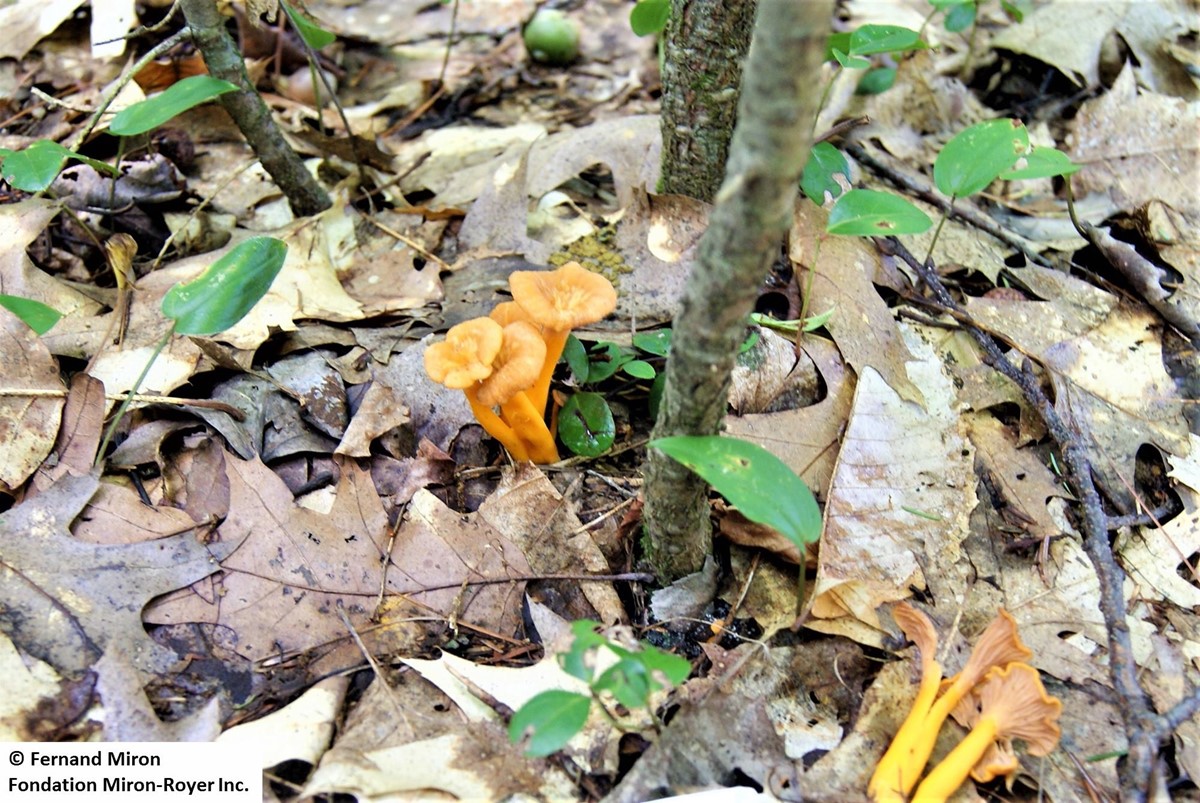
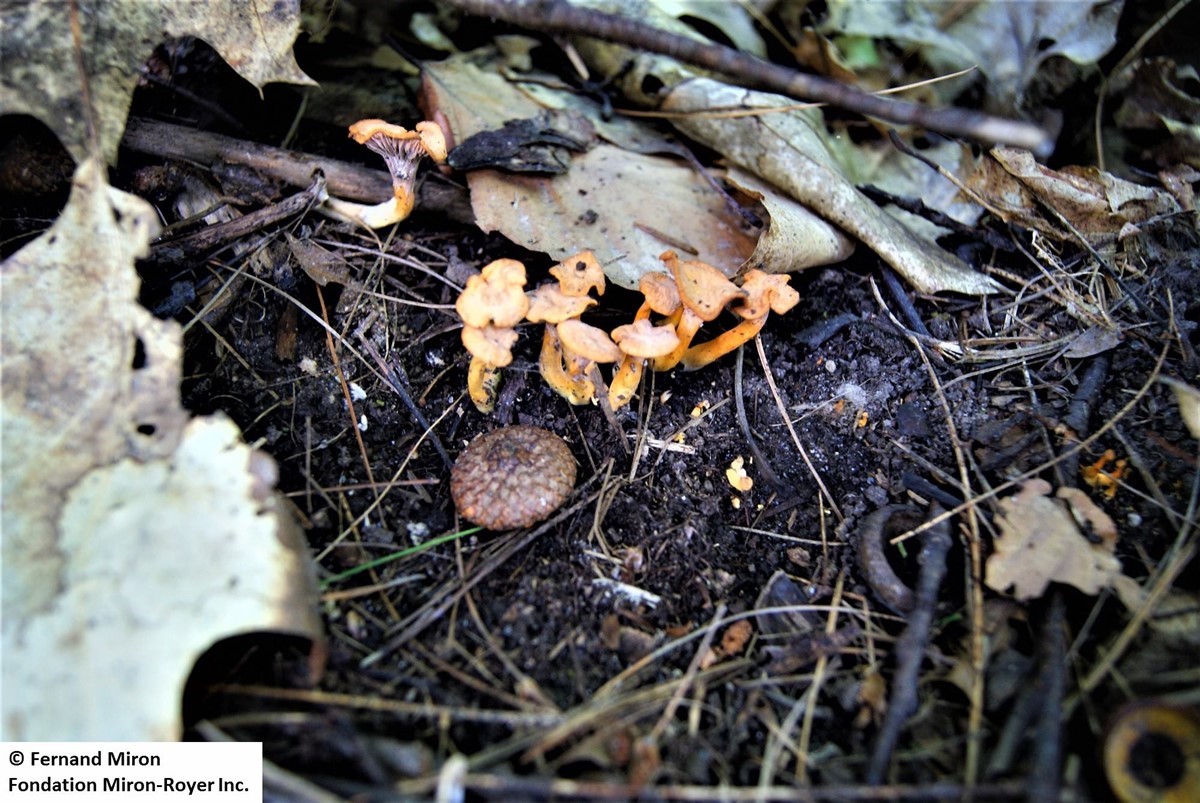
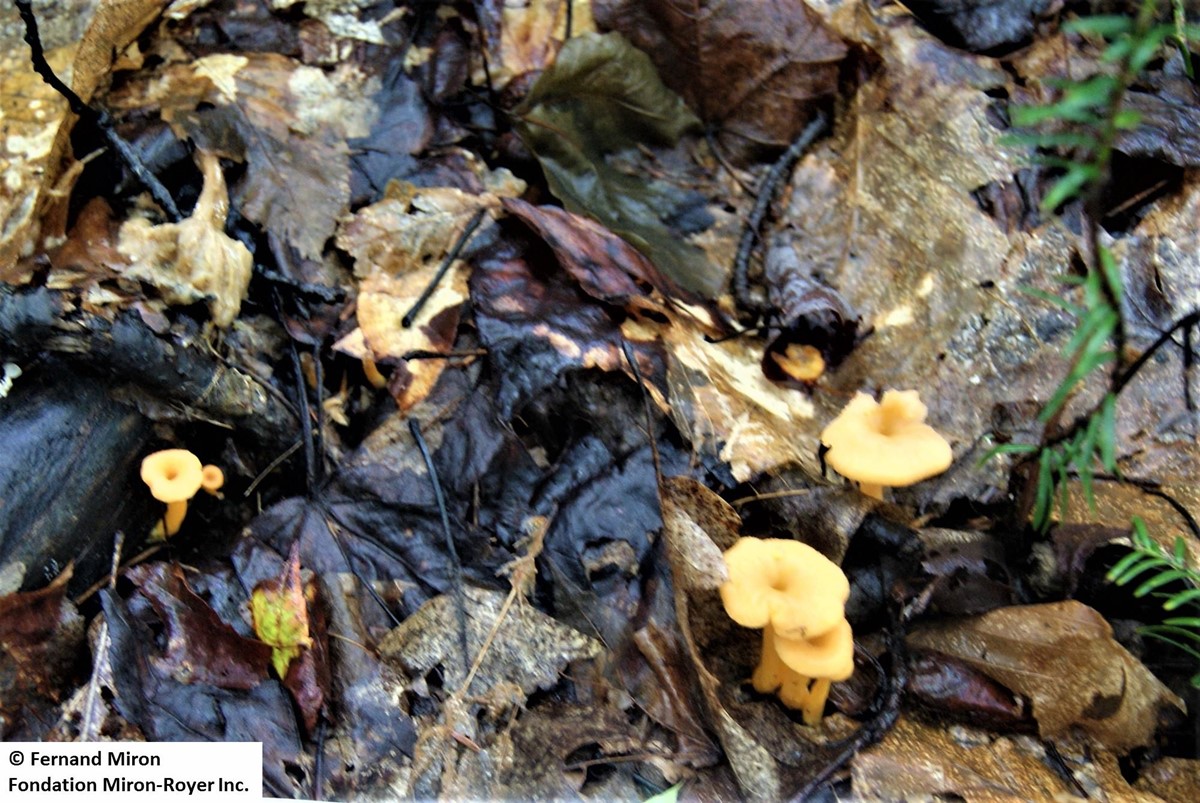
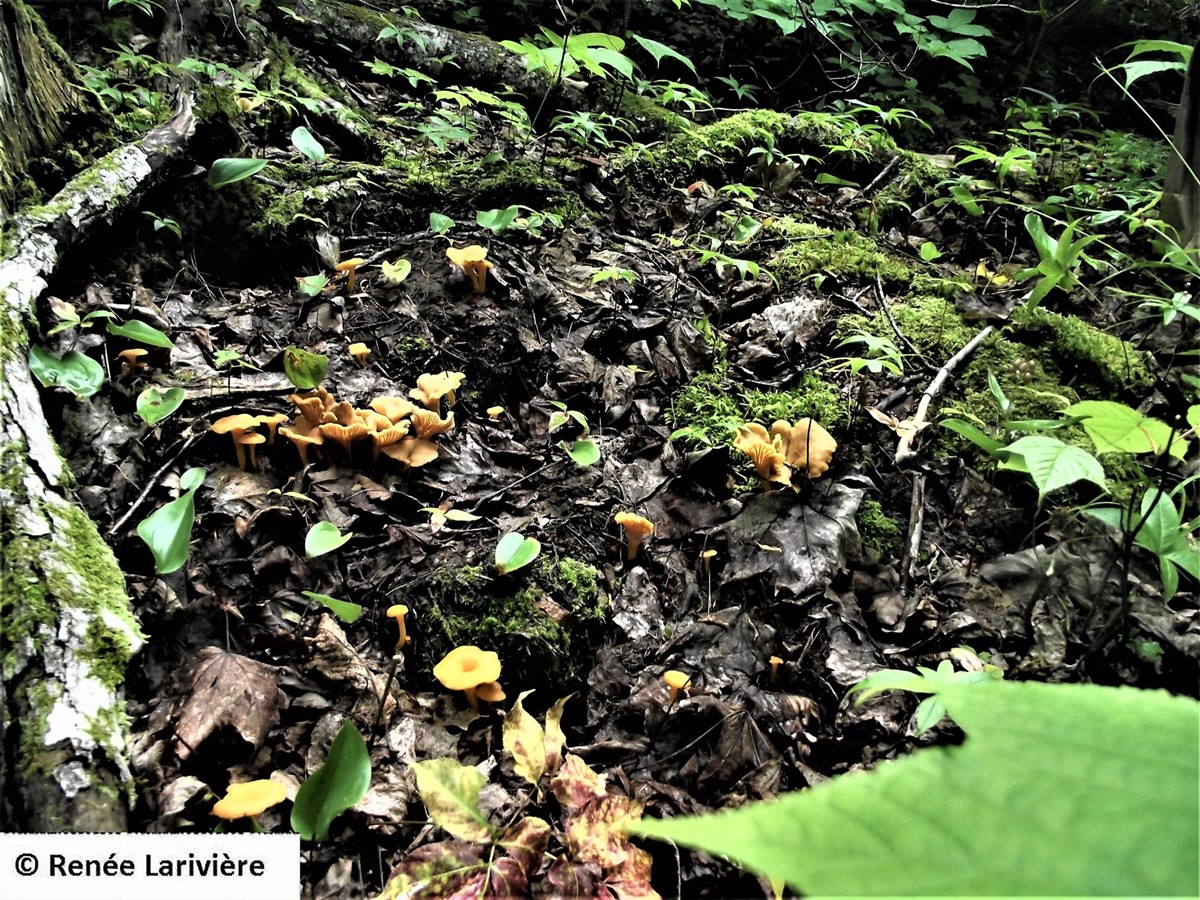
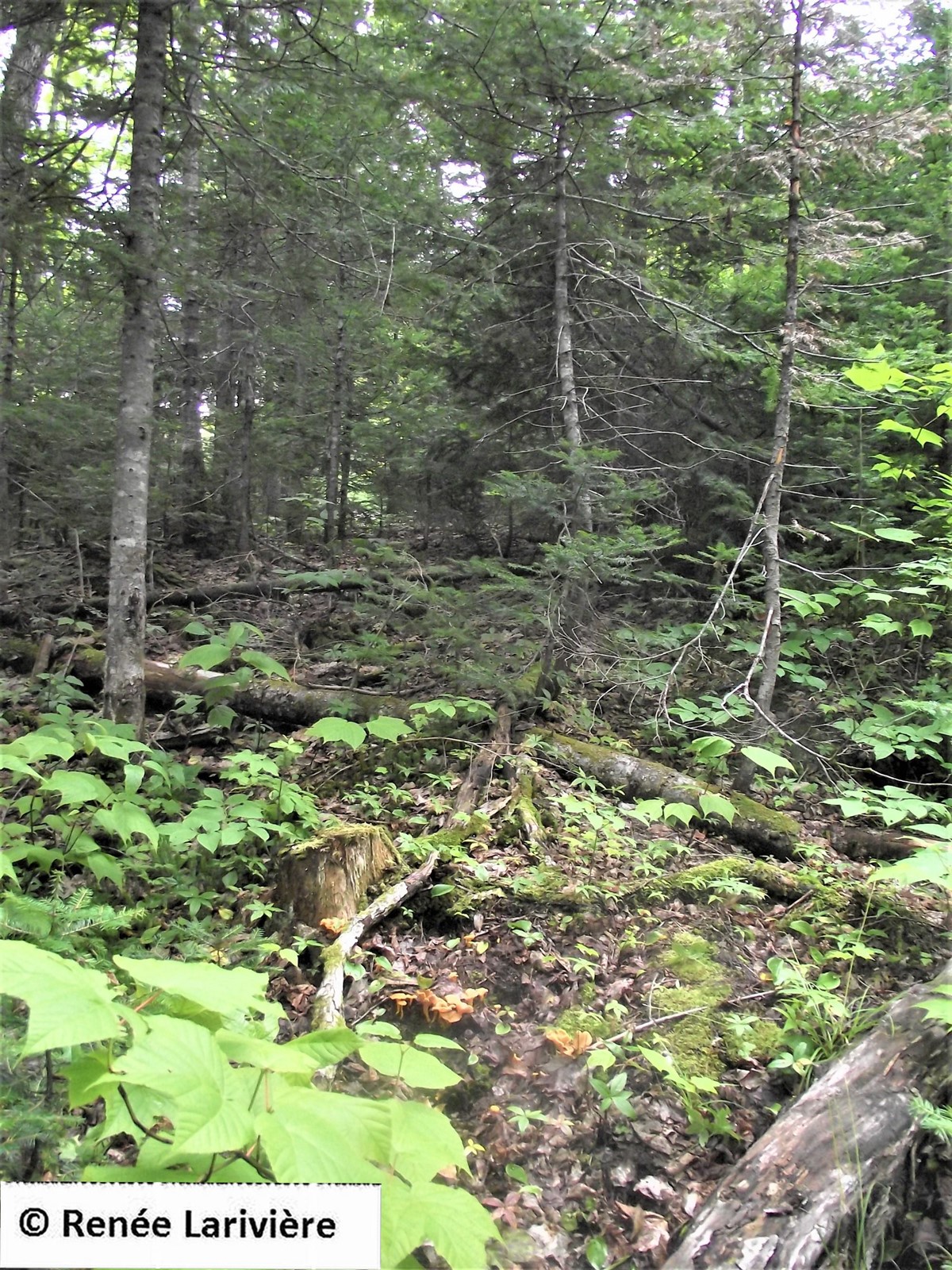
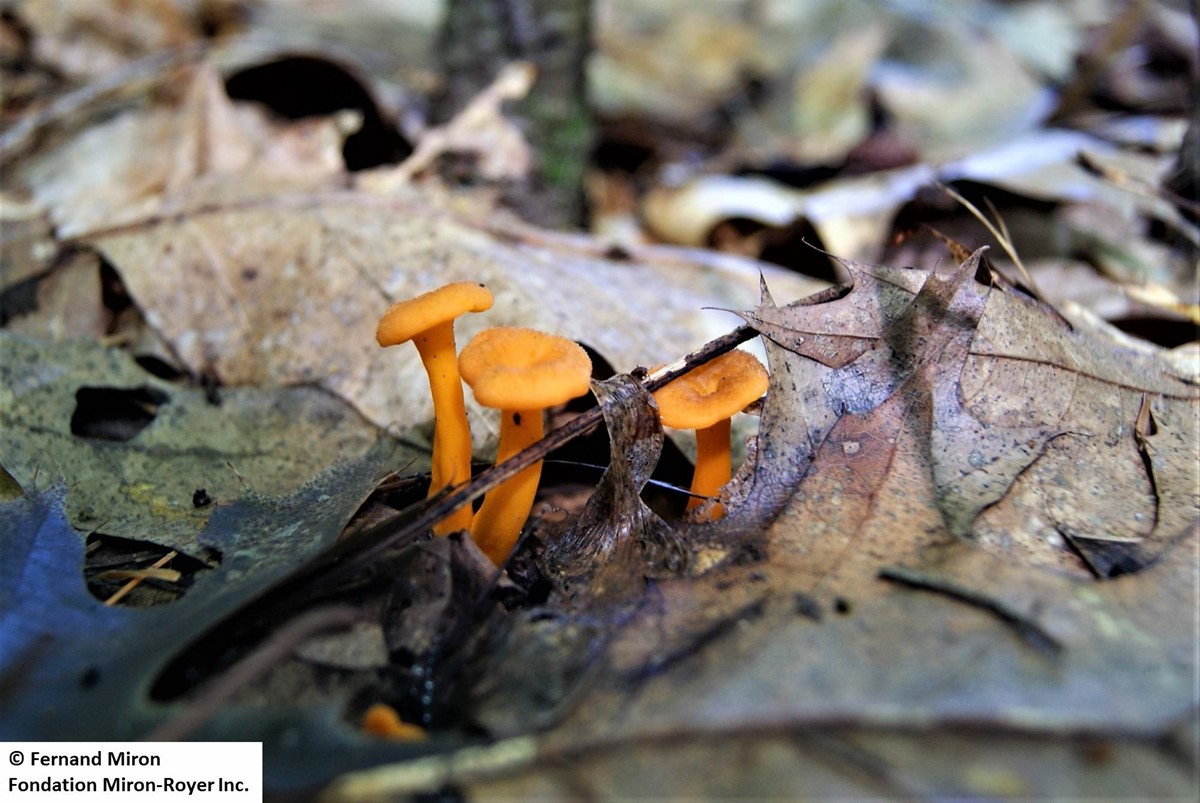
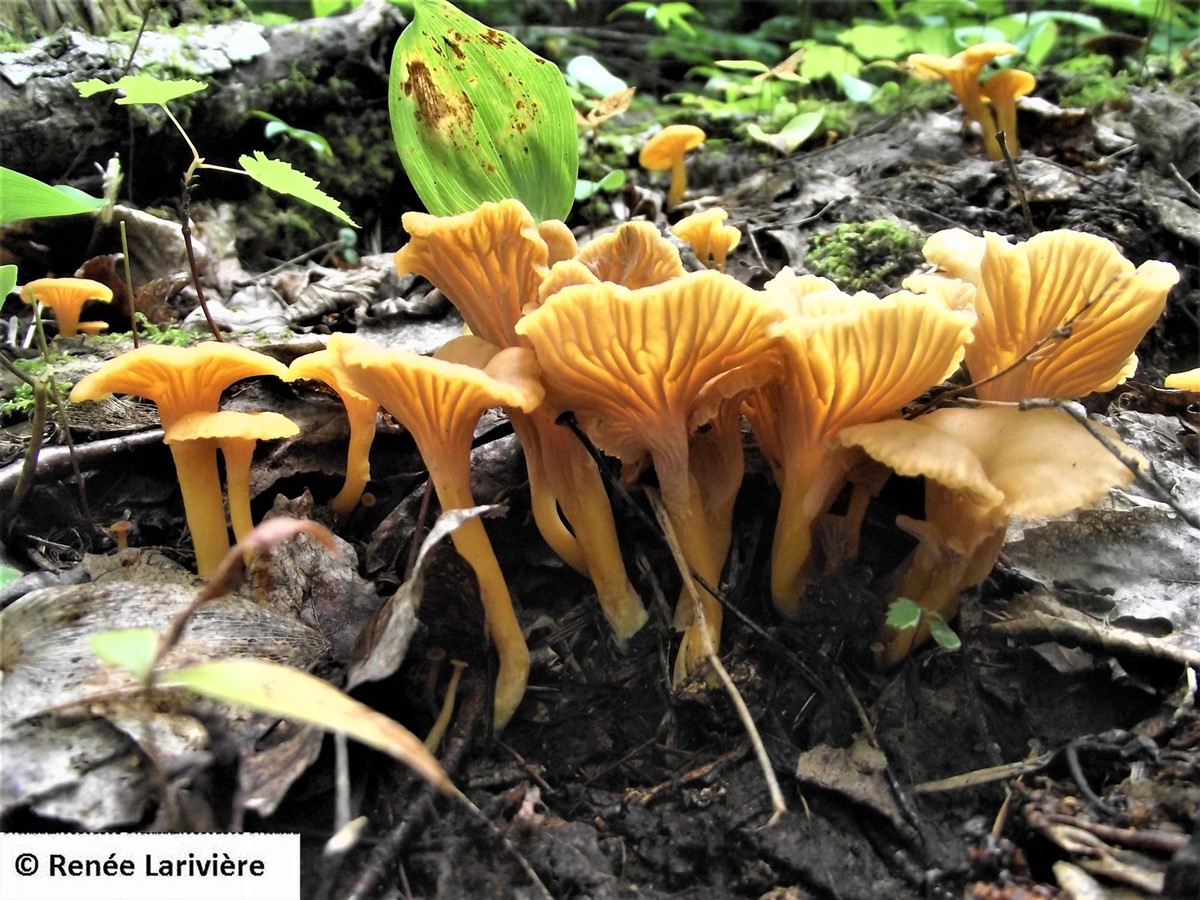
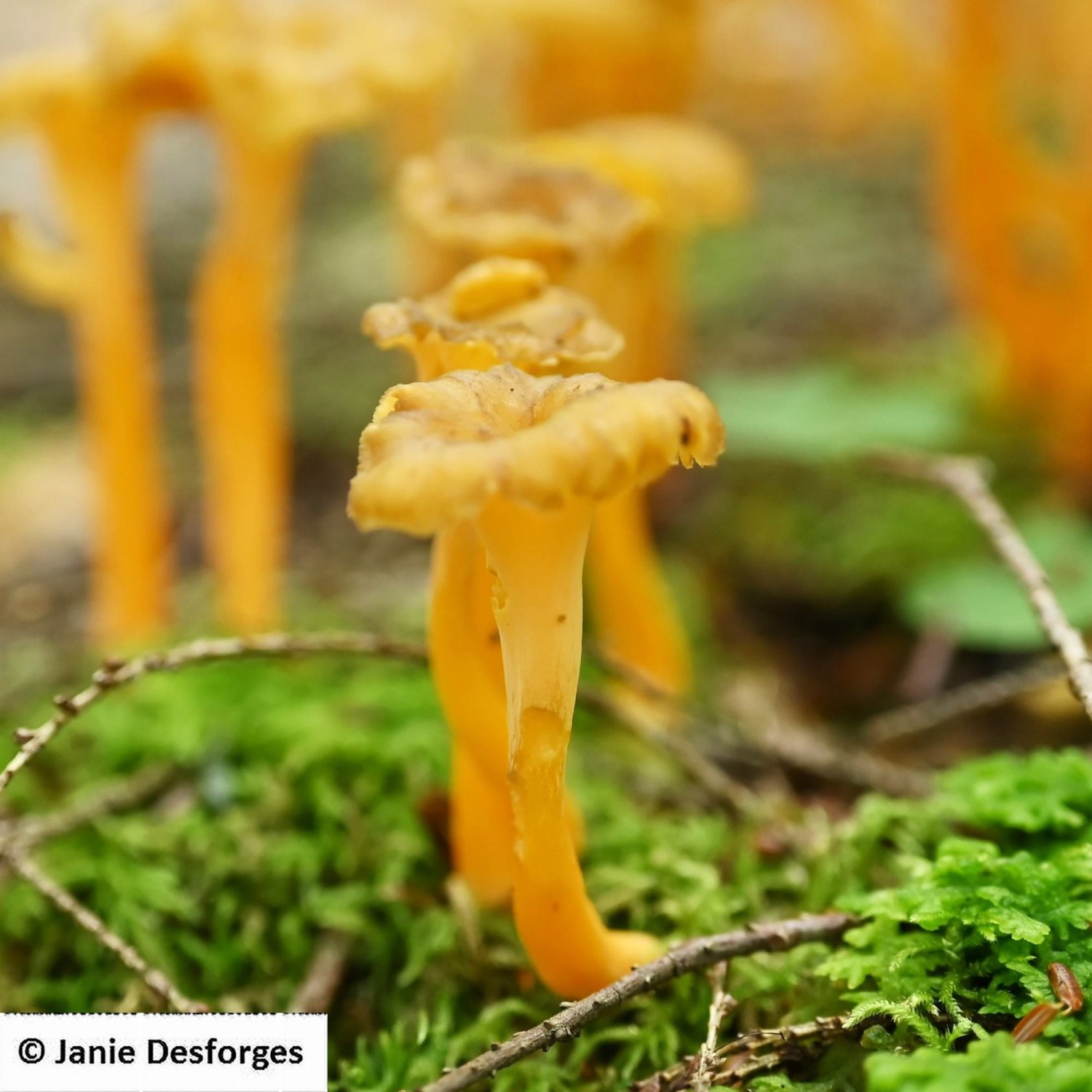
While Craterellus tubaeformis fruits in association with coniferous trees such as black spruce and tamarack, Craterellus ignicolor fruits in hardwood deciduous forests where oaks, beeches and yellow birches are present.
Fruit body
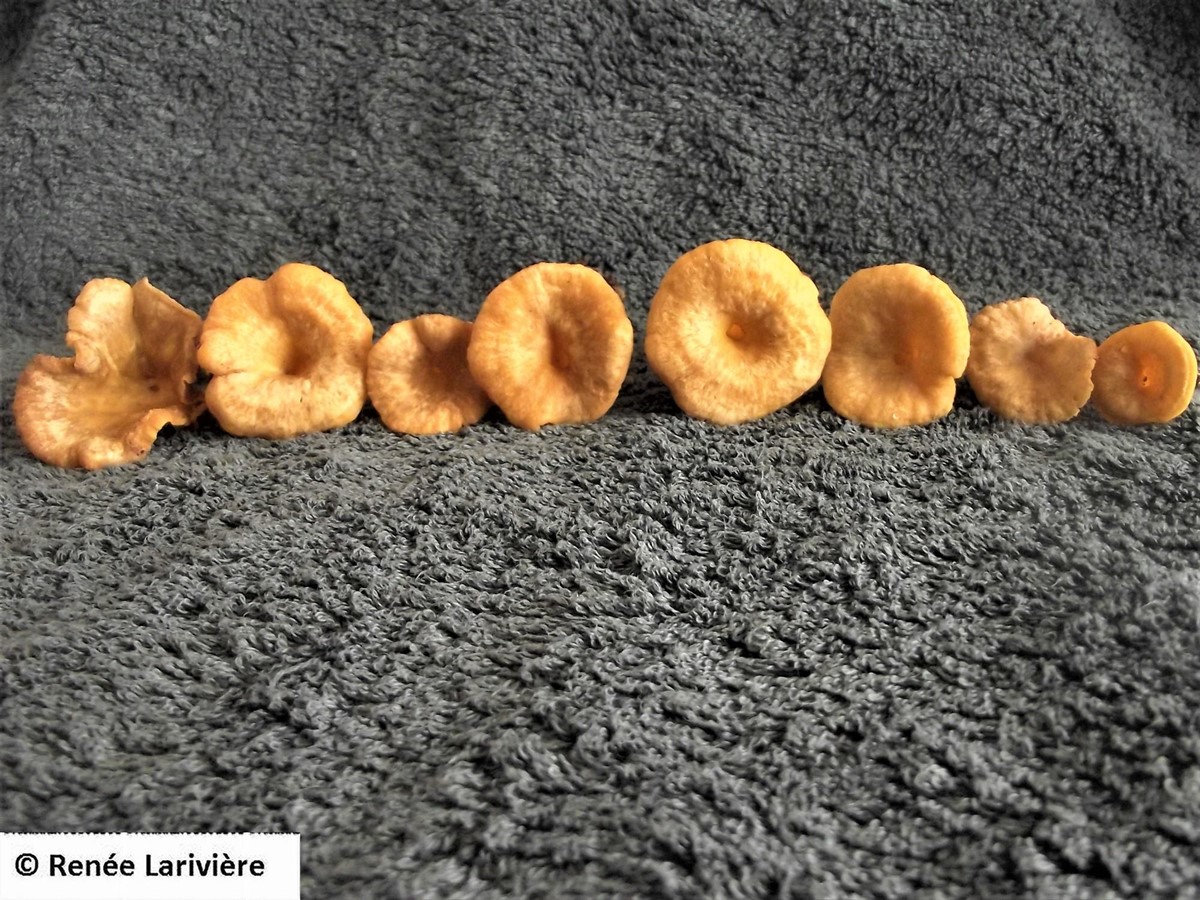
In additionIn to the habitat, it is distinguished from C. tubaeformis by its more orange color.
Cap
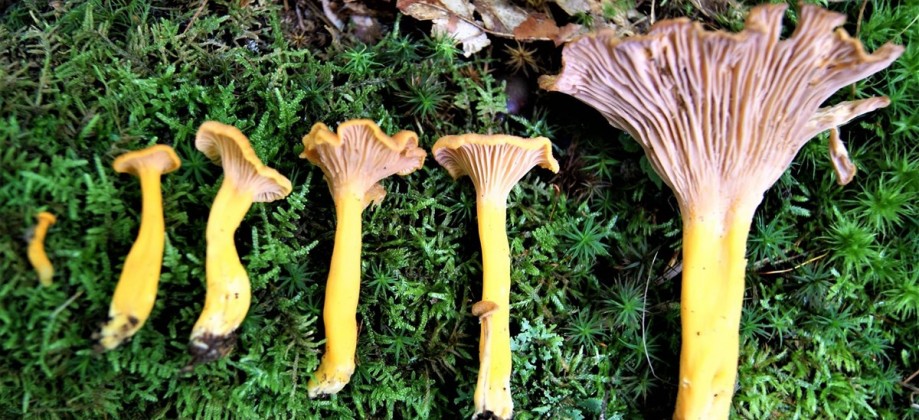
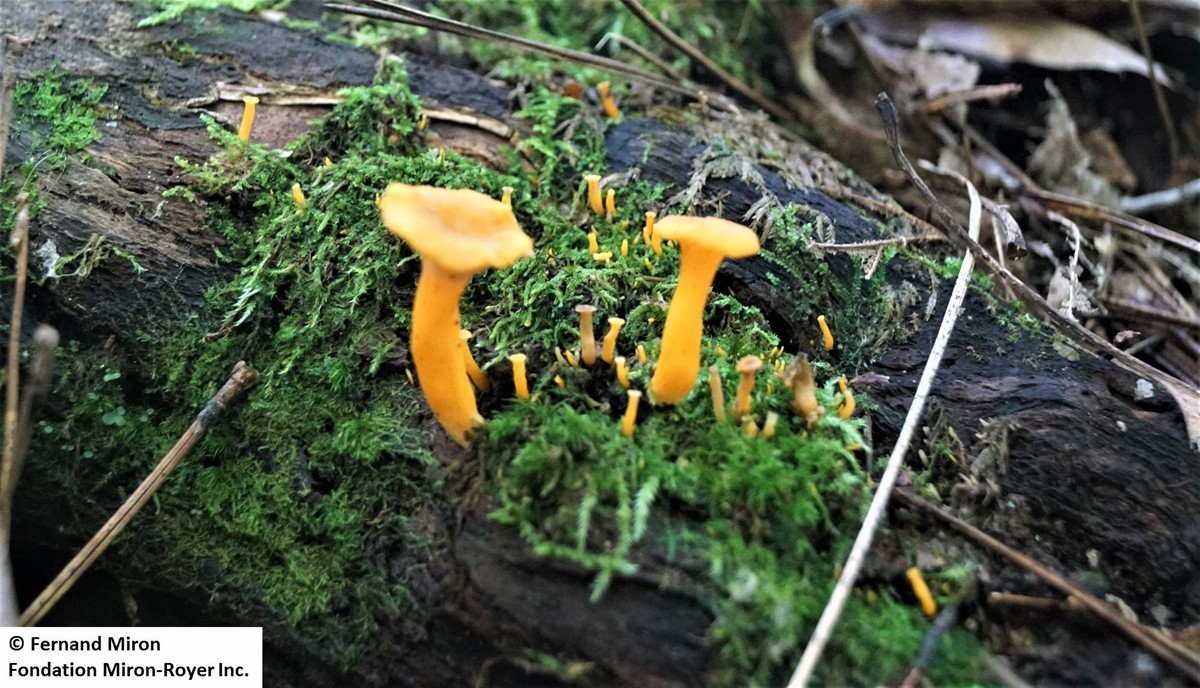
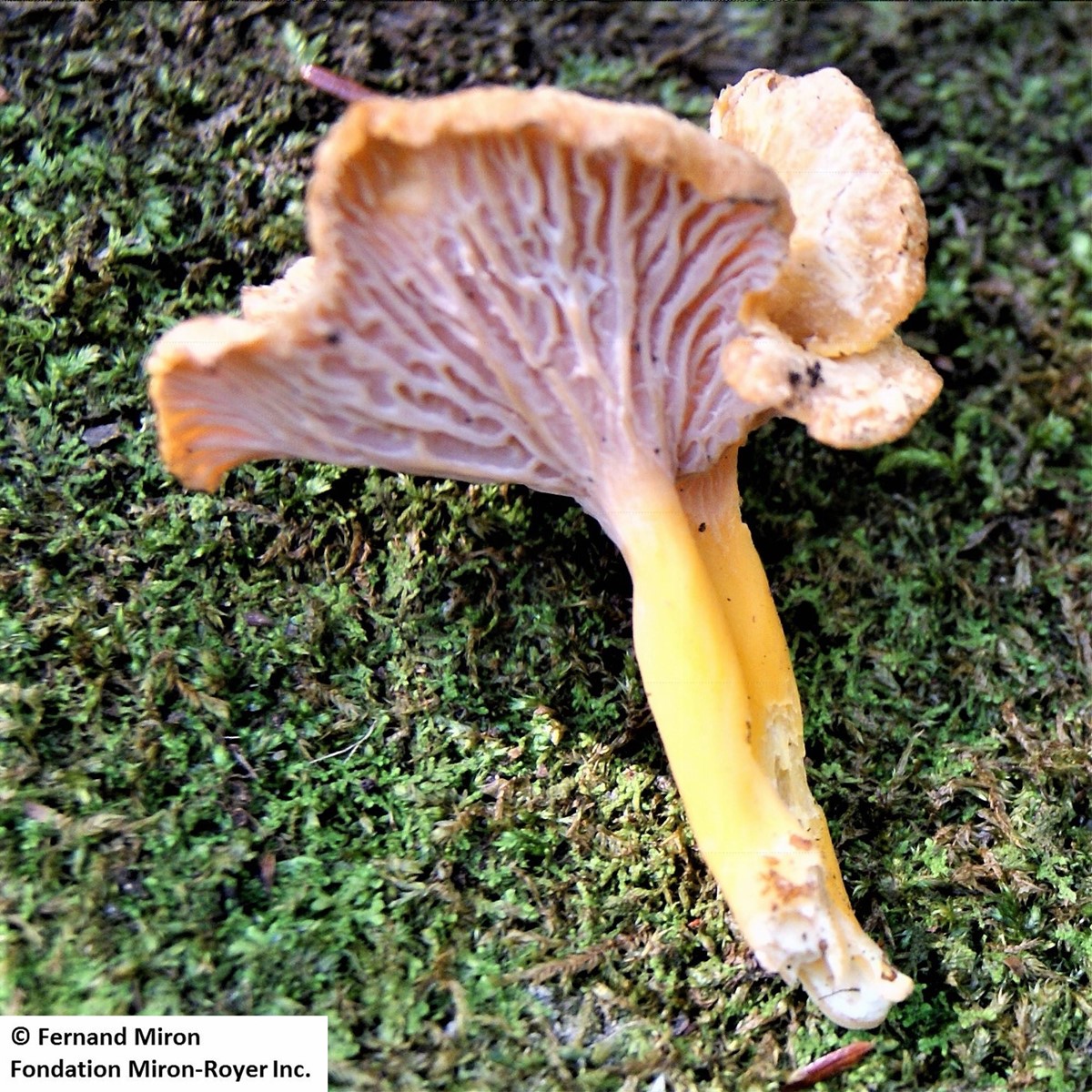
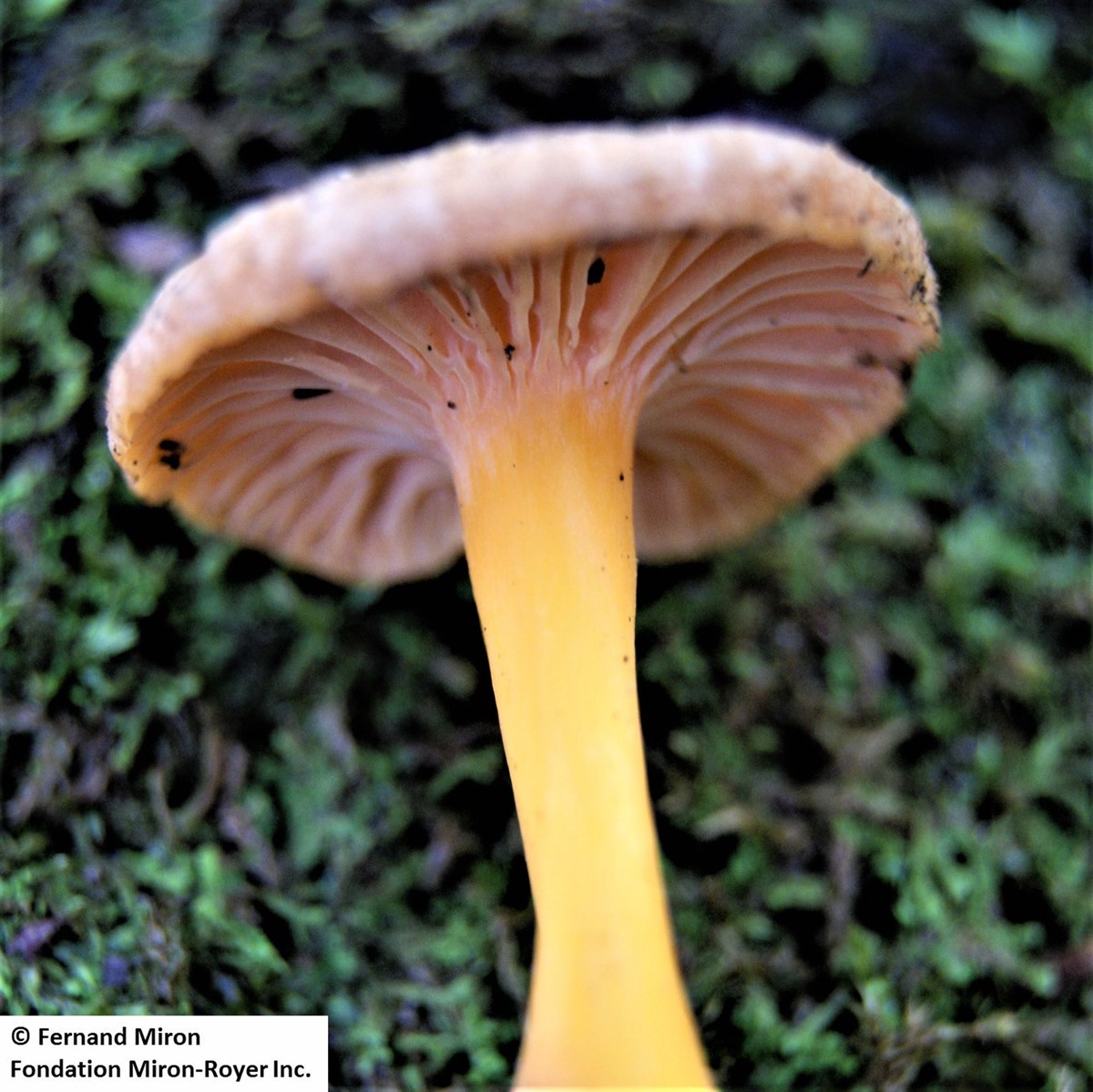
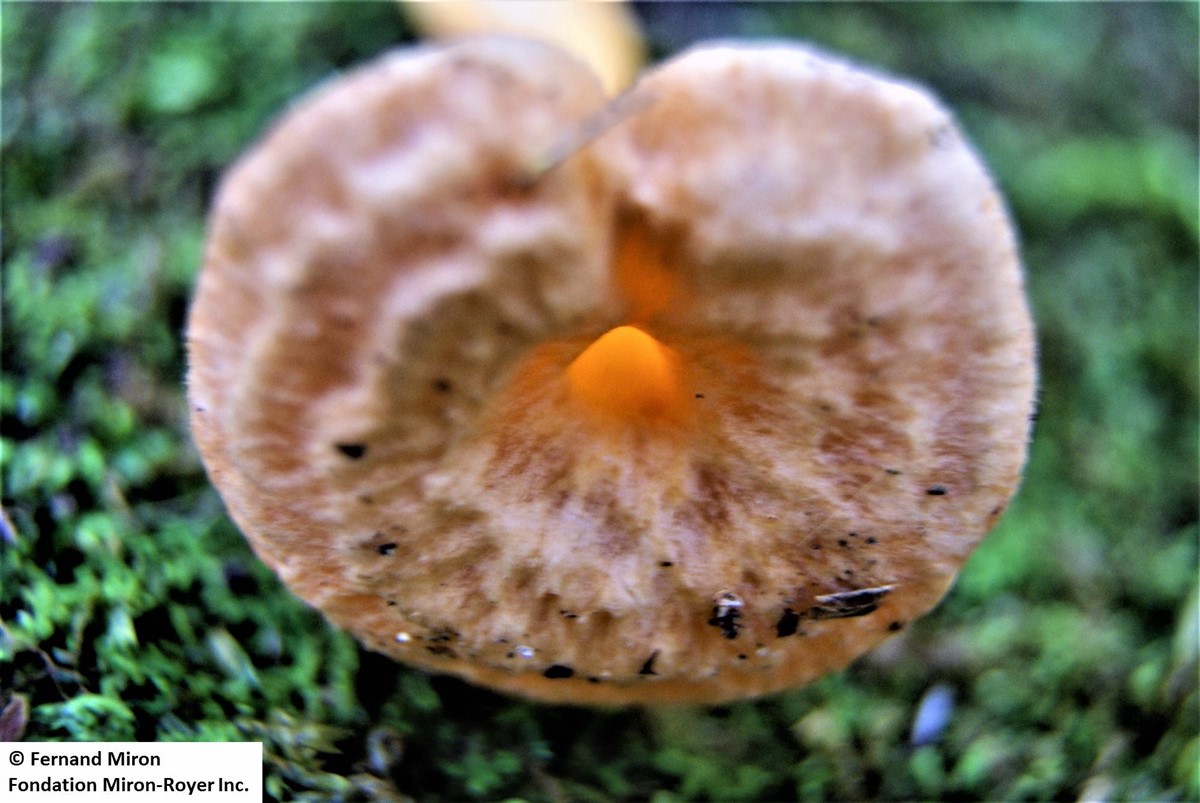
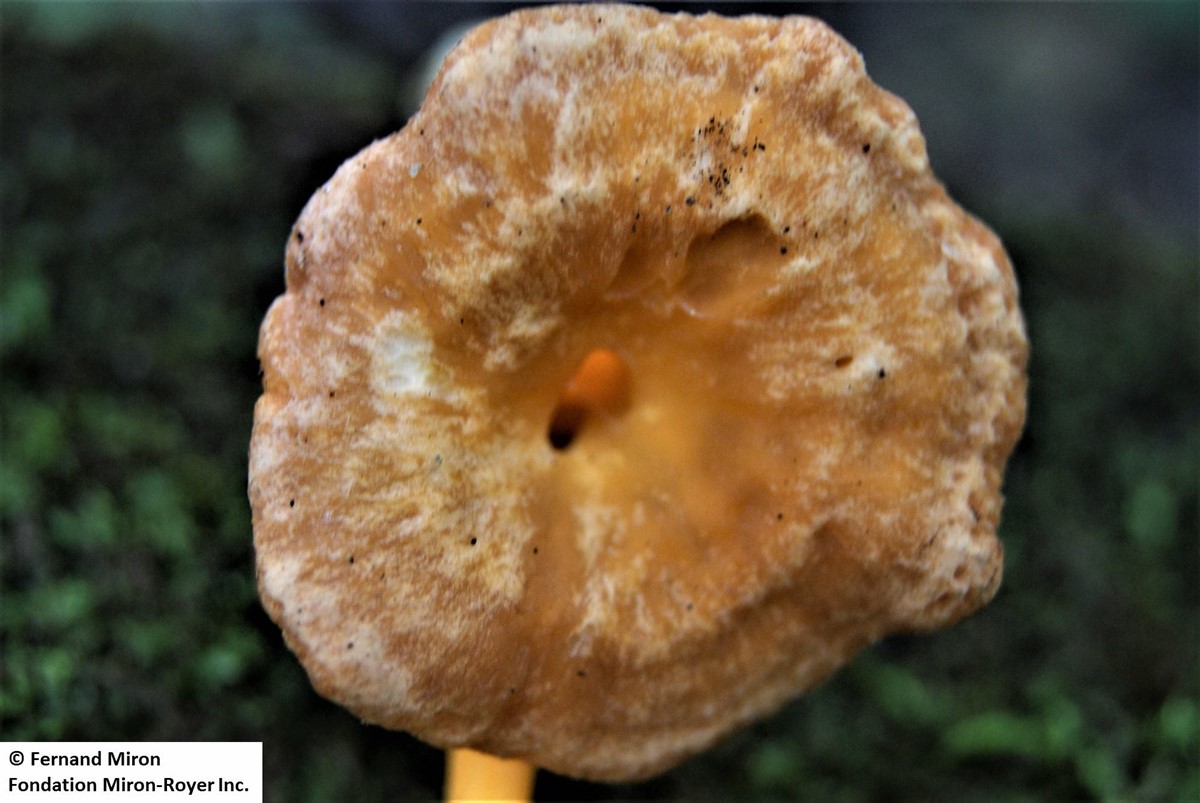
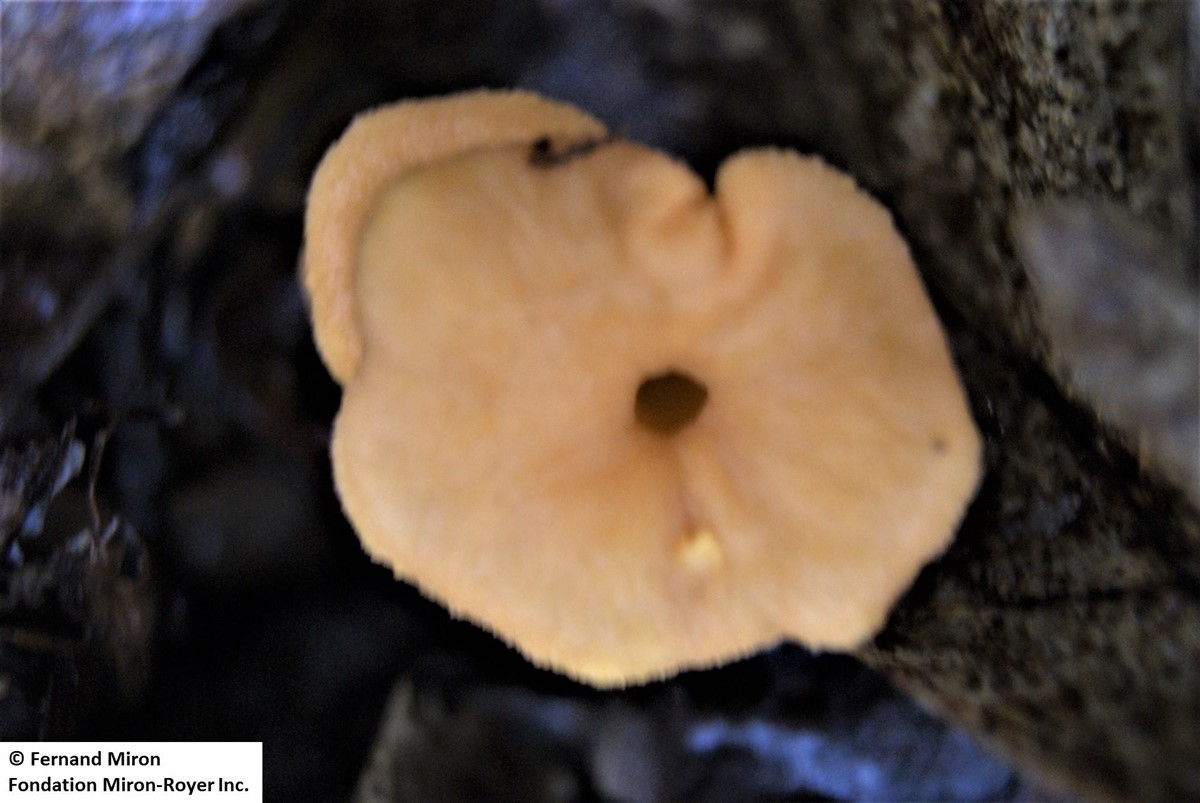
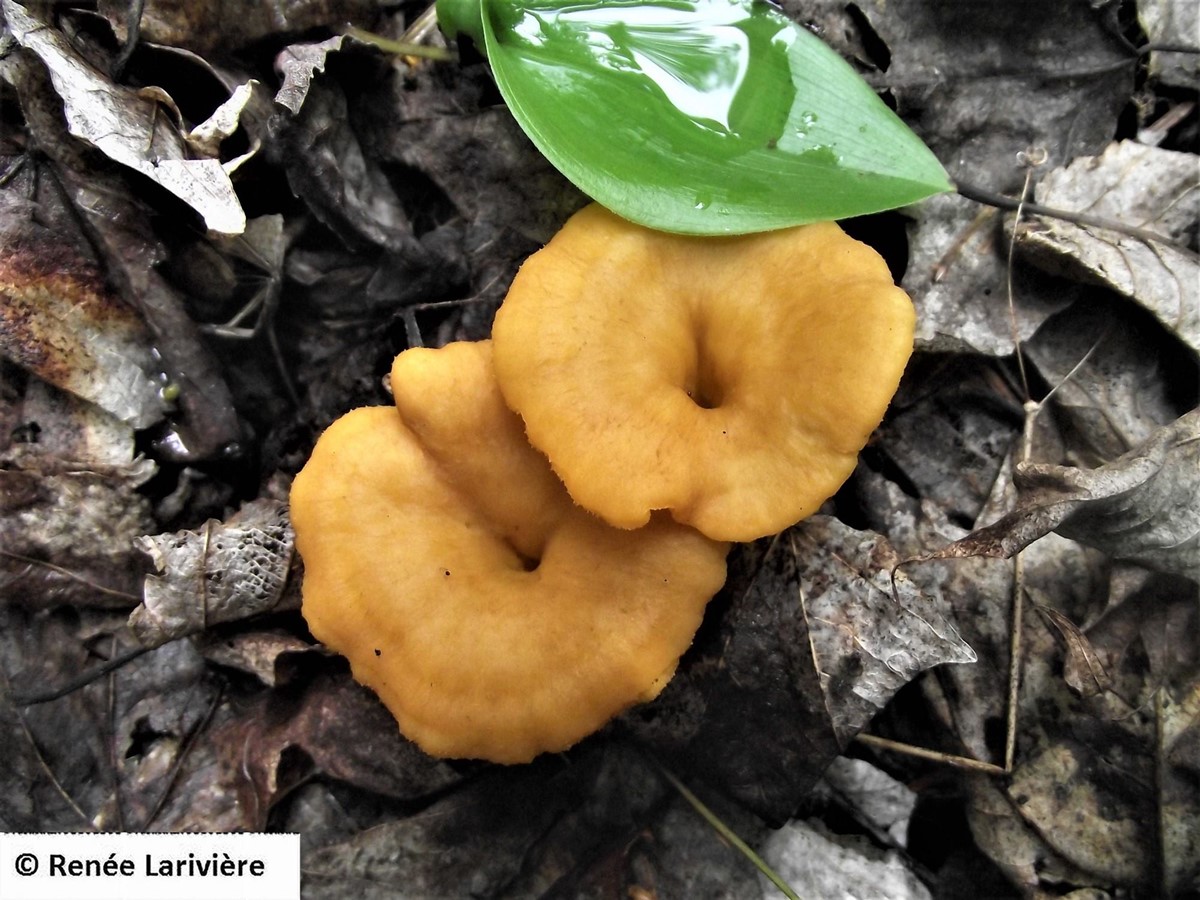
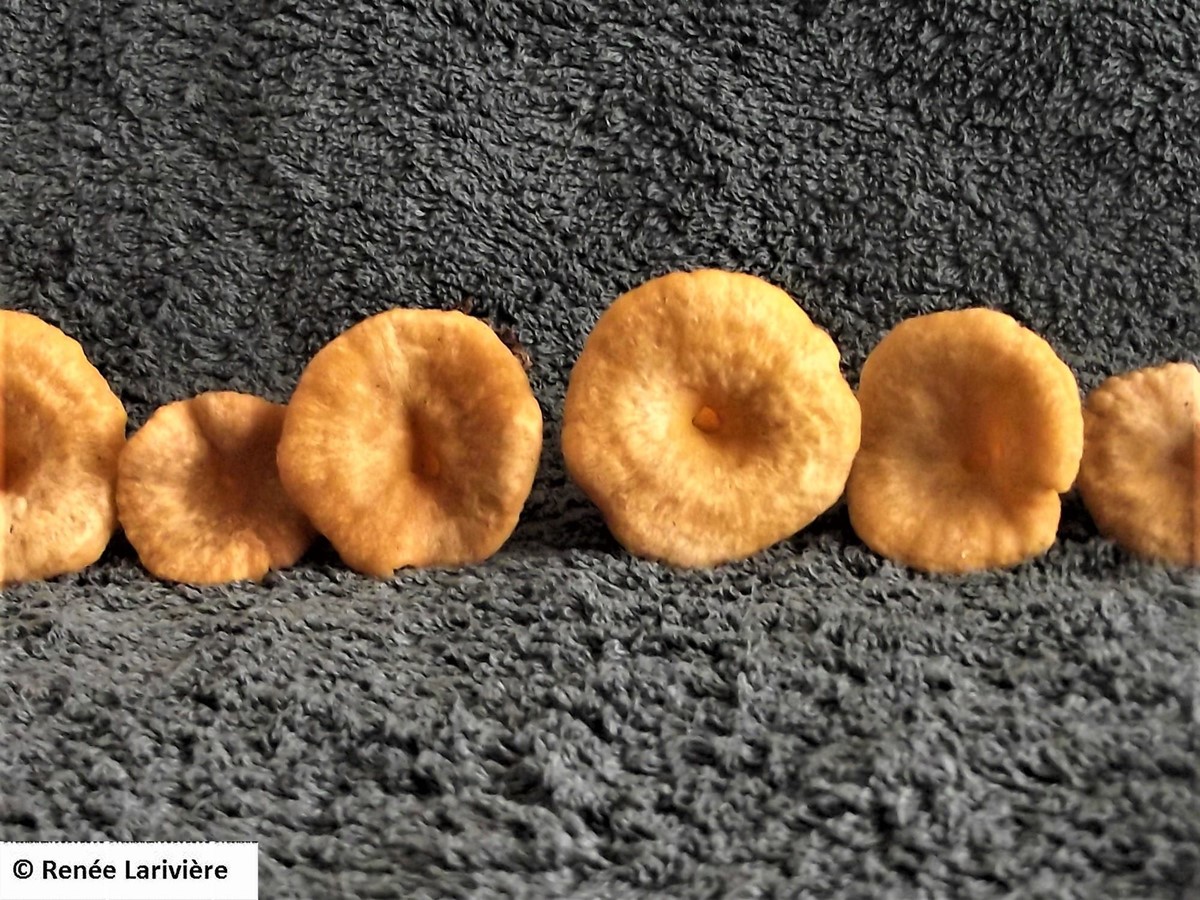
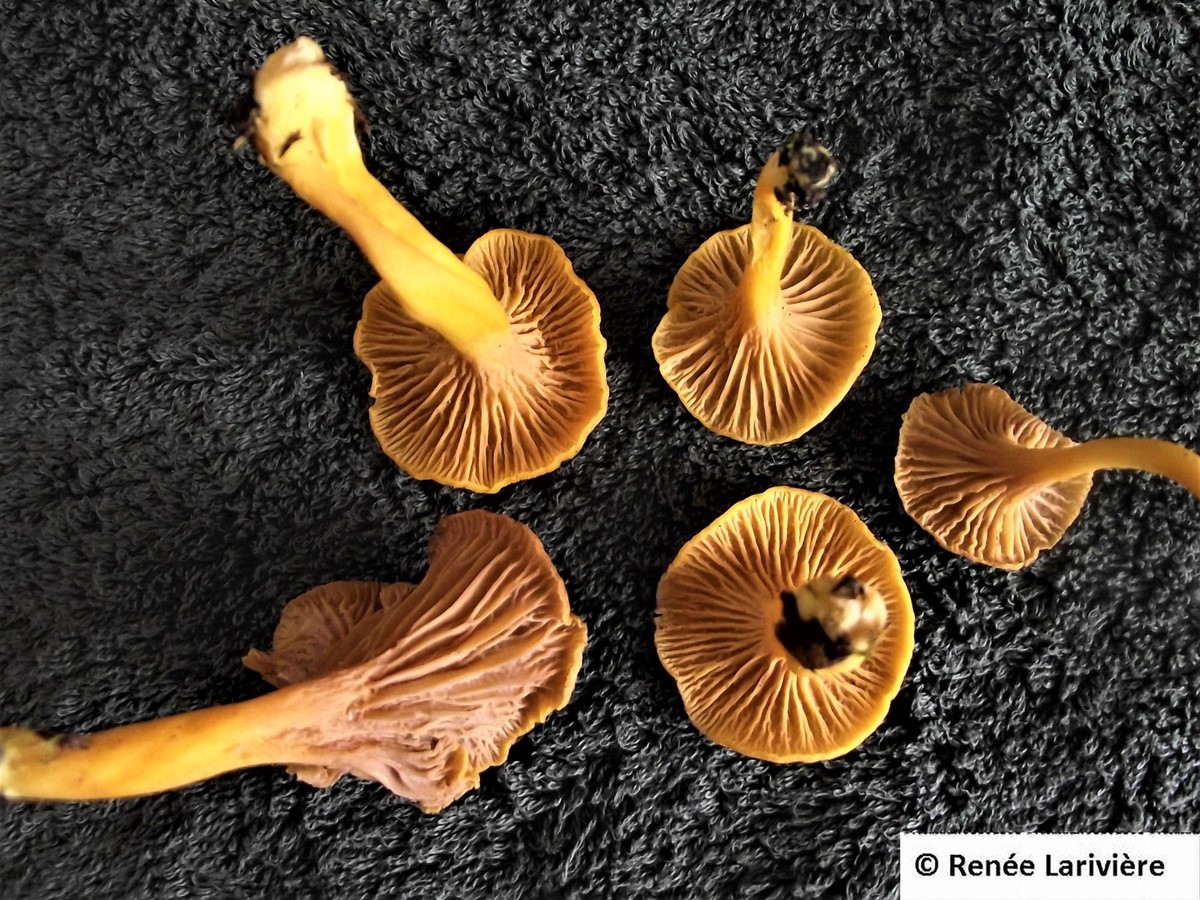
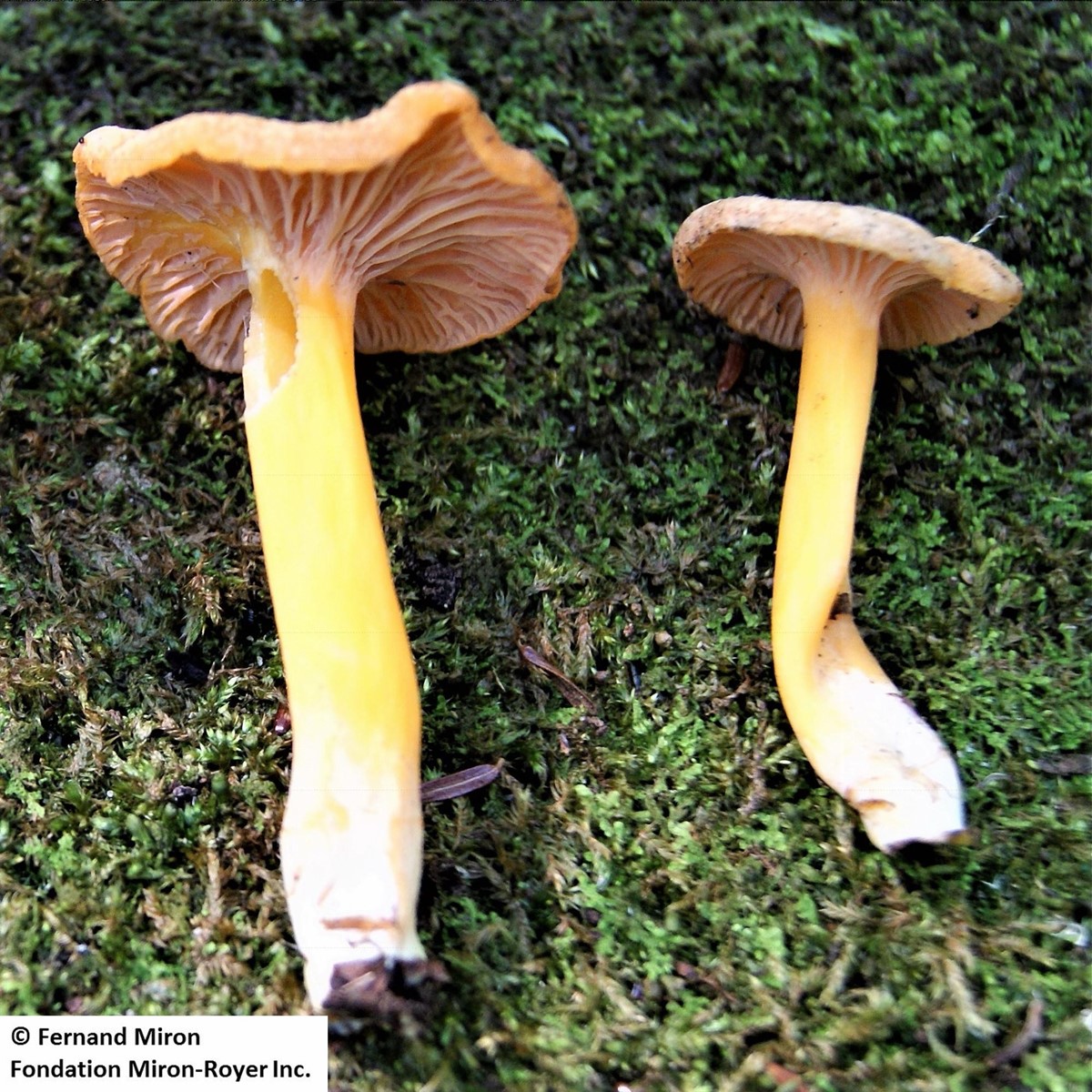
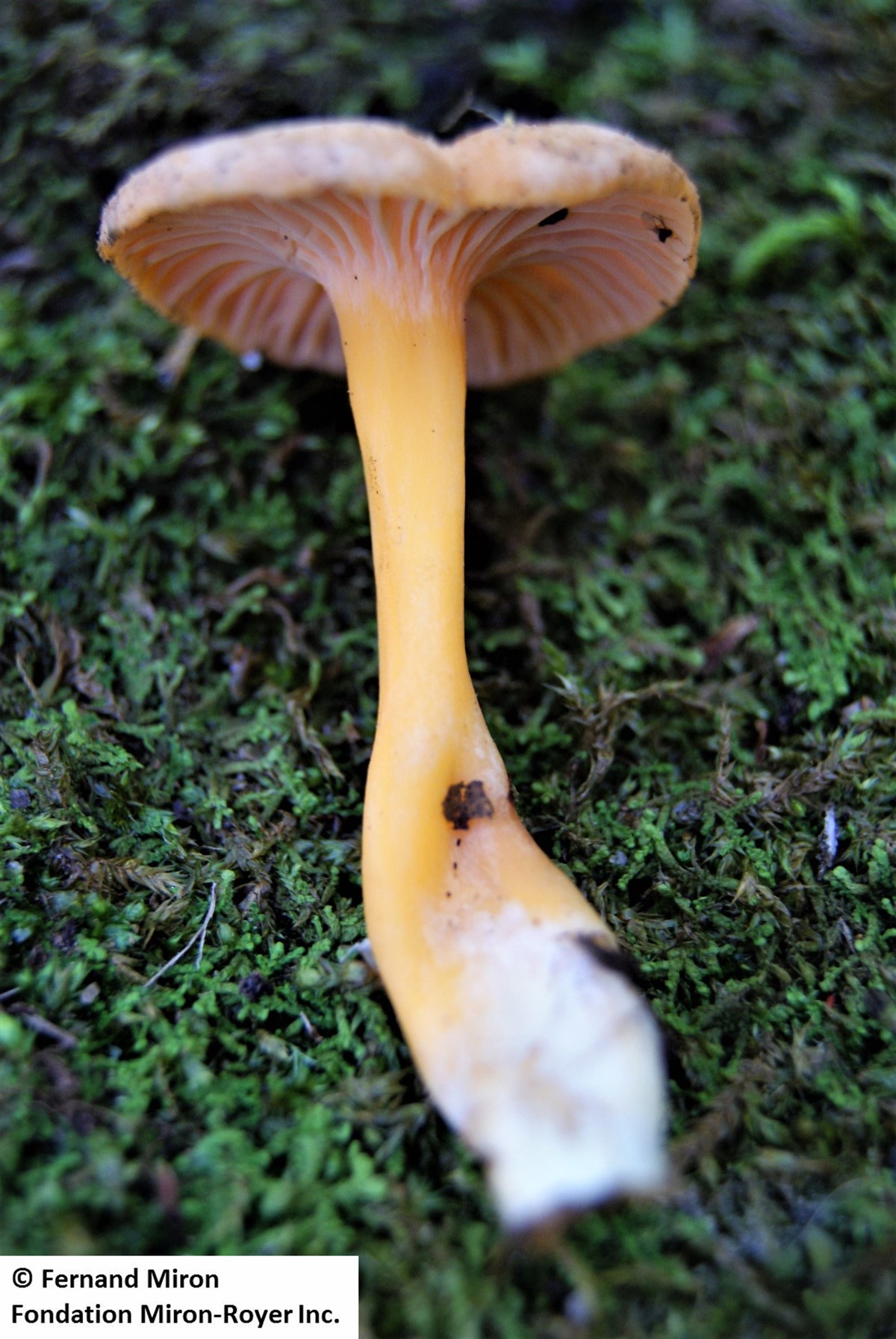
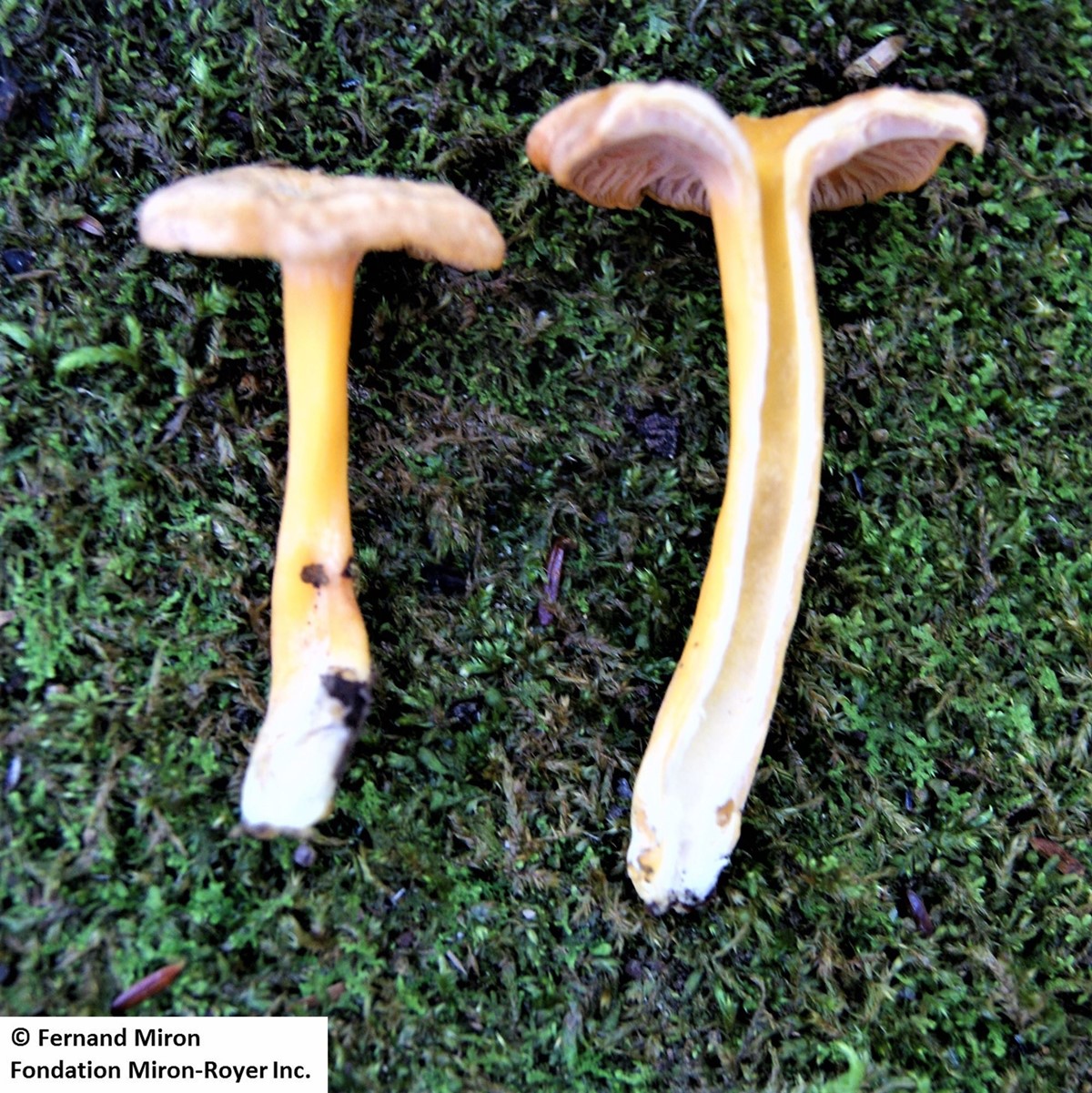
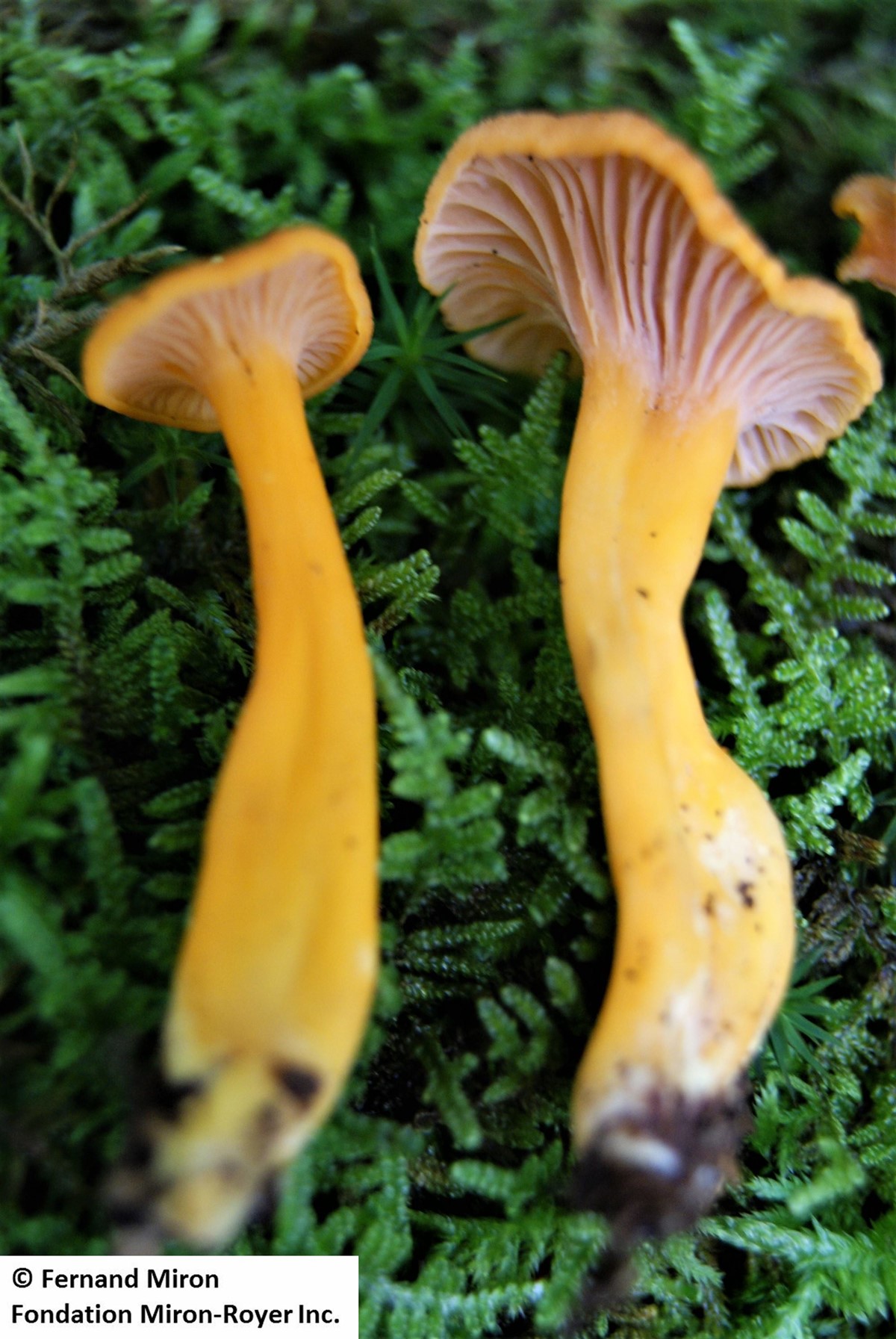
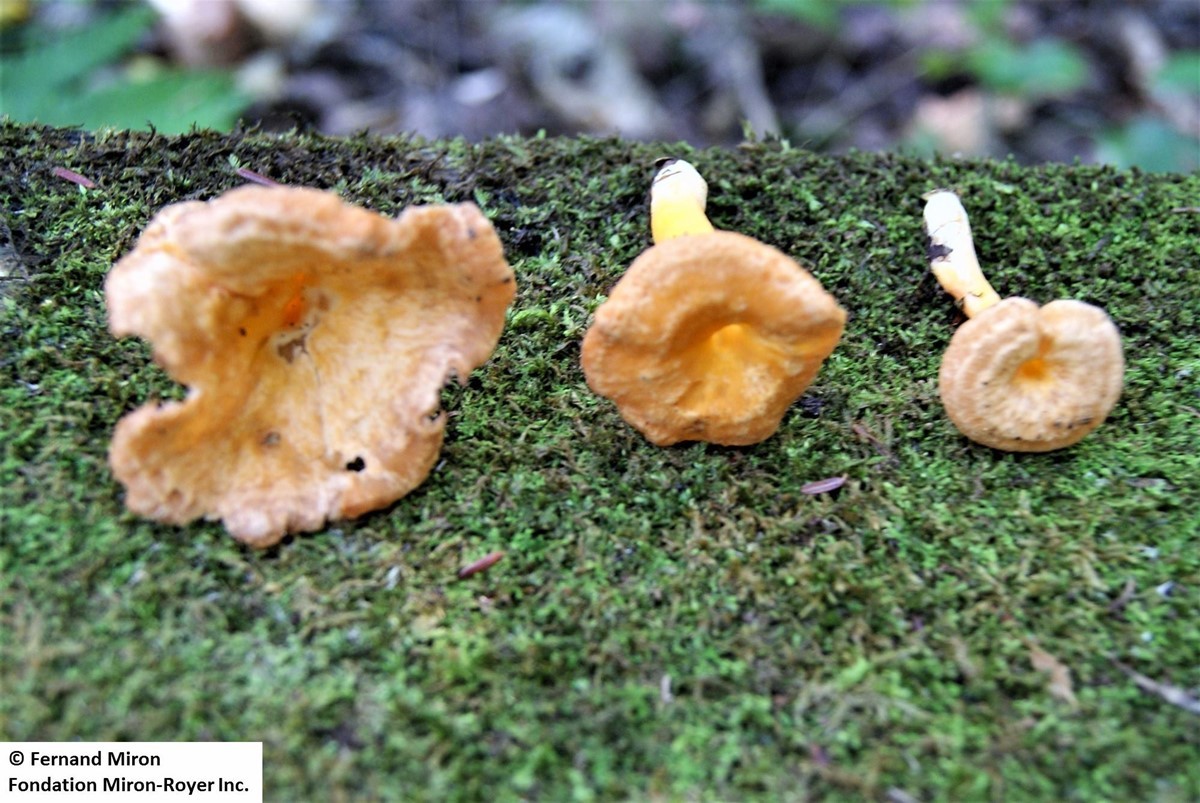
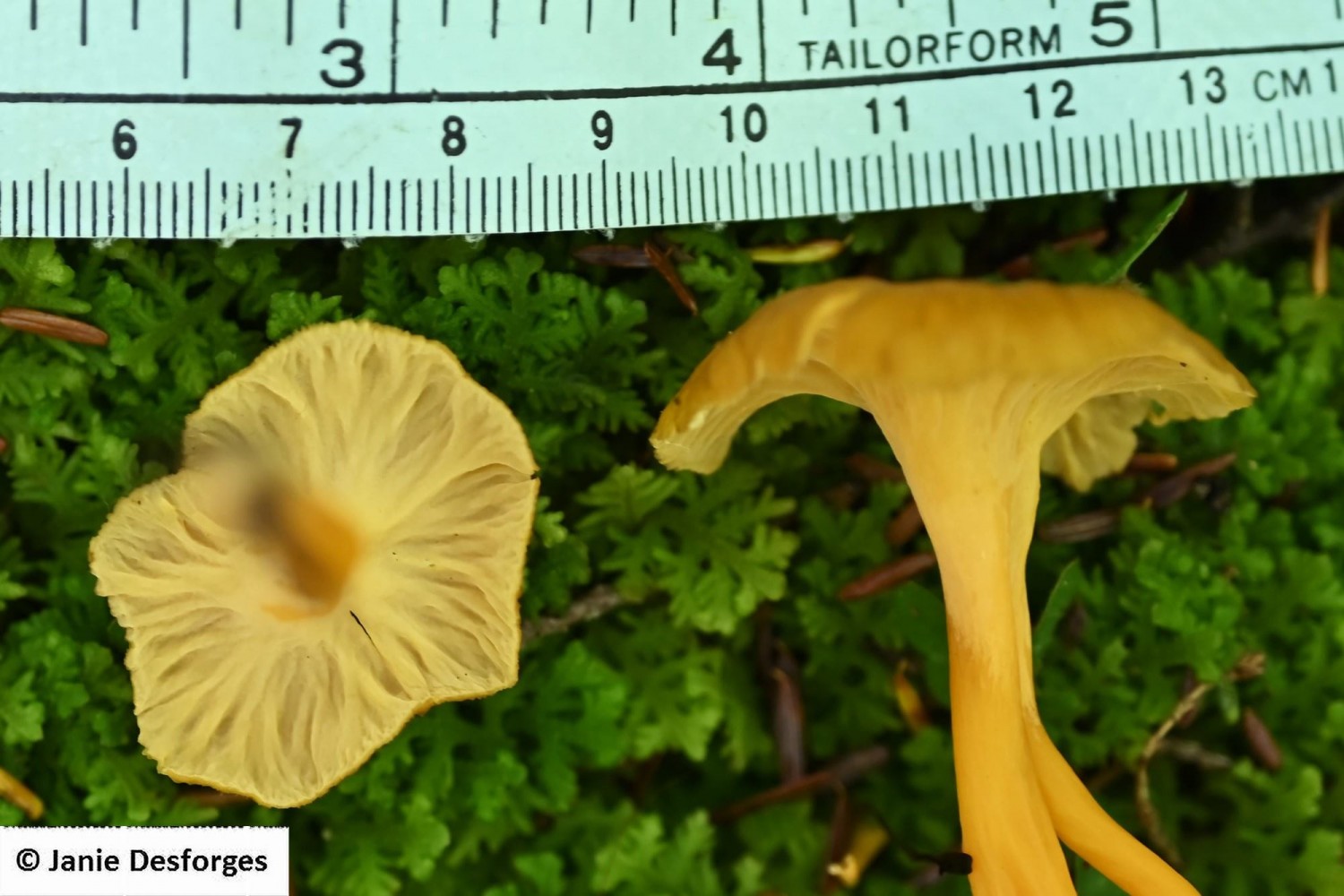
1.5-5 cm across; planoconvex when very young but soon developing a central depression with a perforated center ; bright orange to orangish yellow or brownish yellow, fading with age to dull yellowish.
Margin
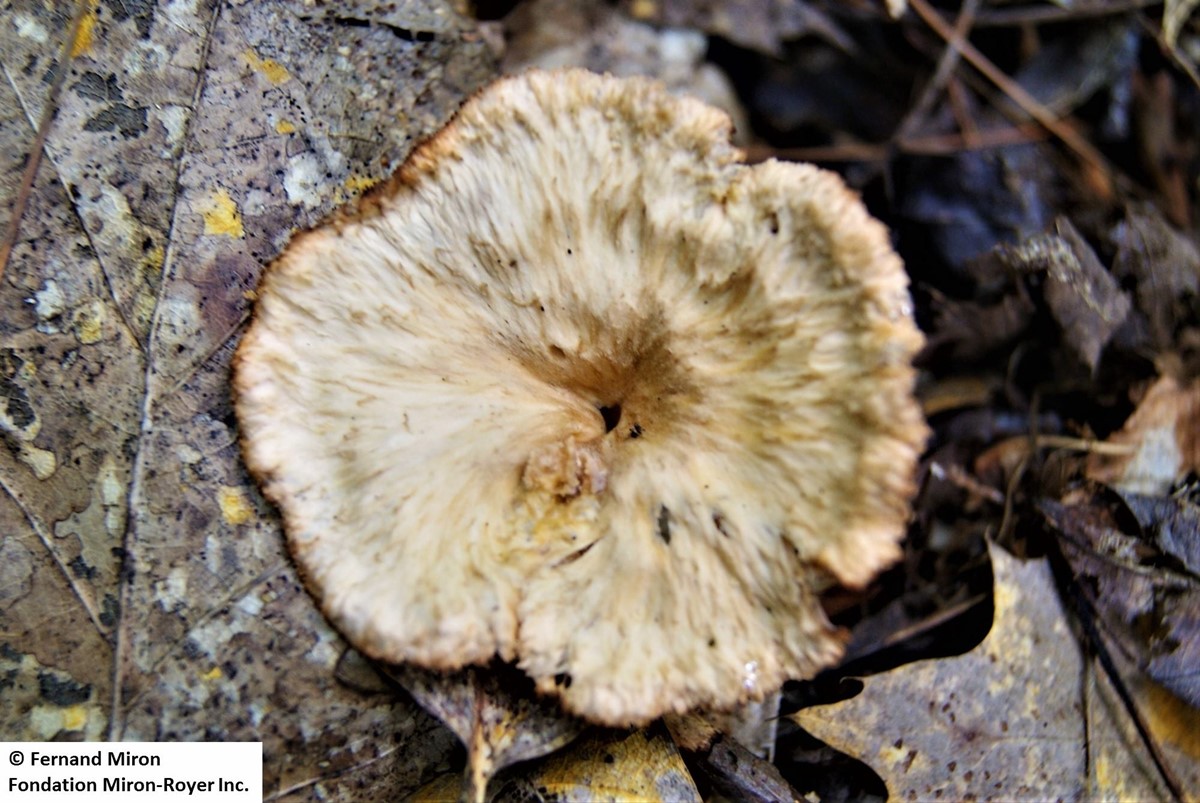
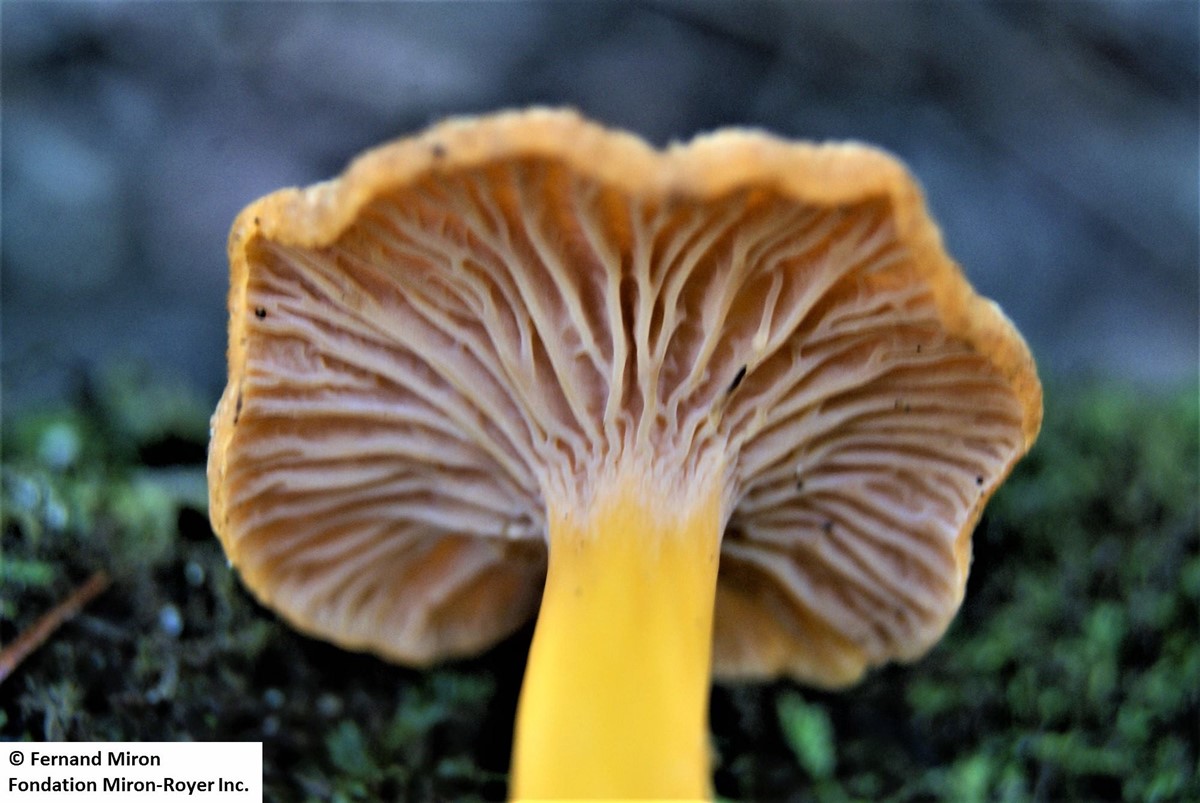
Wavy and often irregular and scalloped margin at maturity.

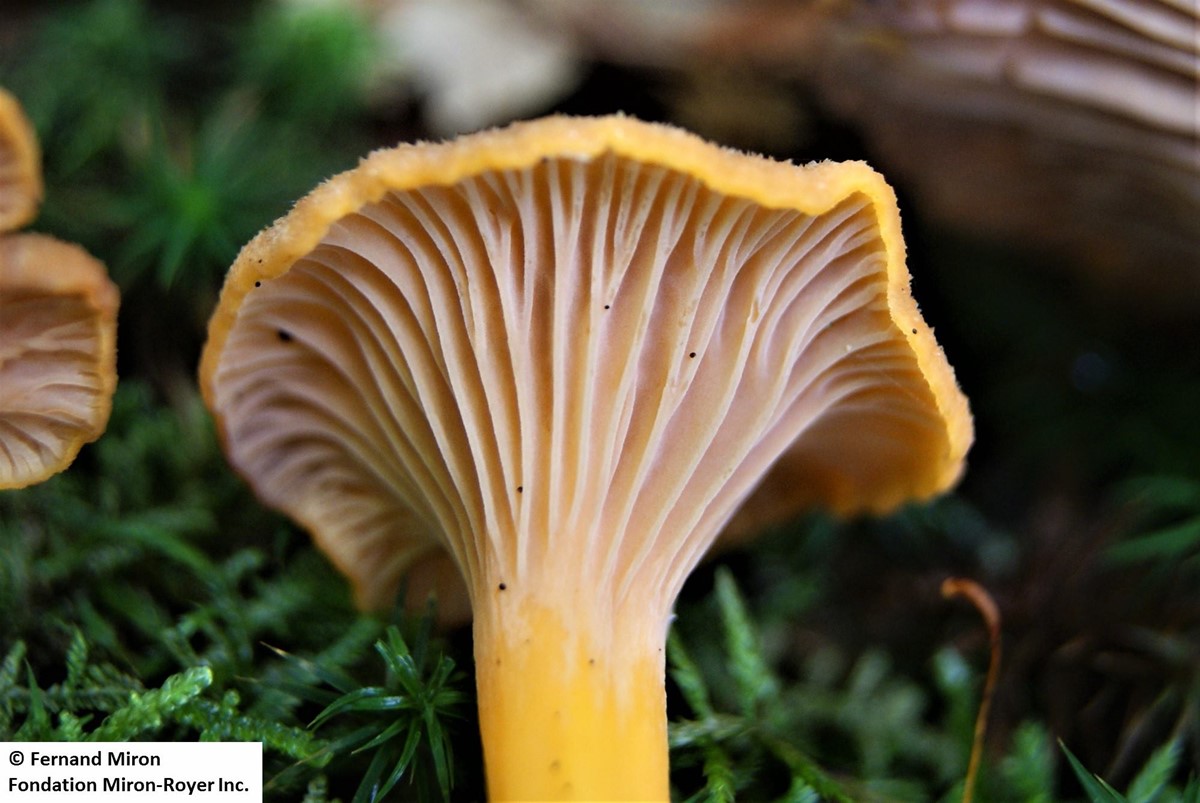
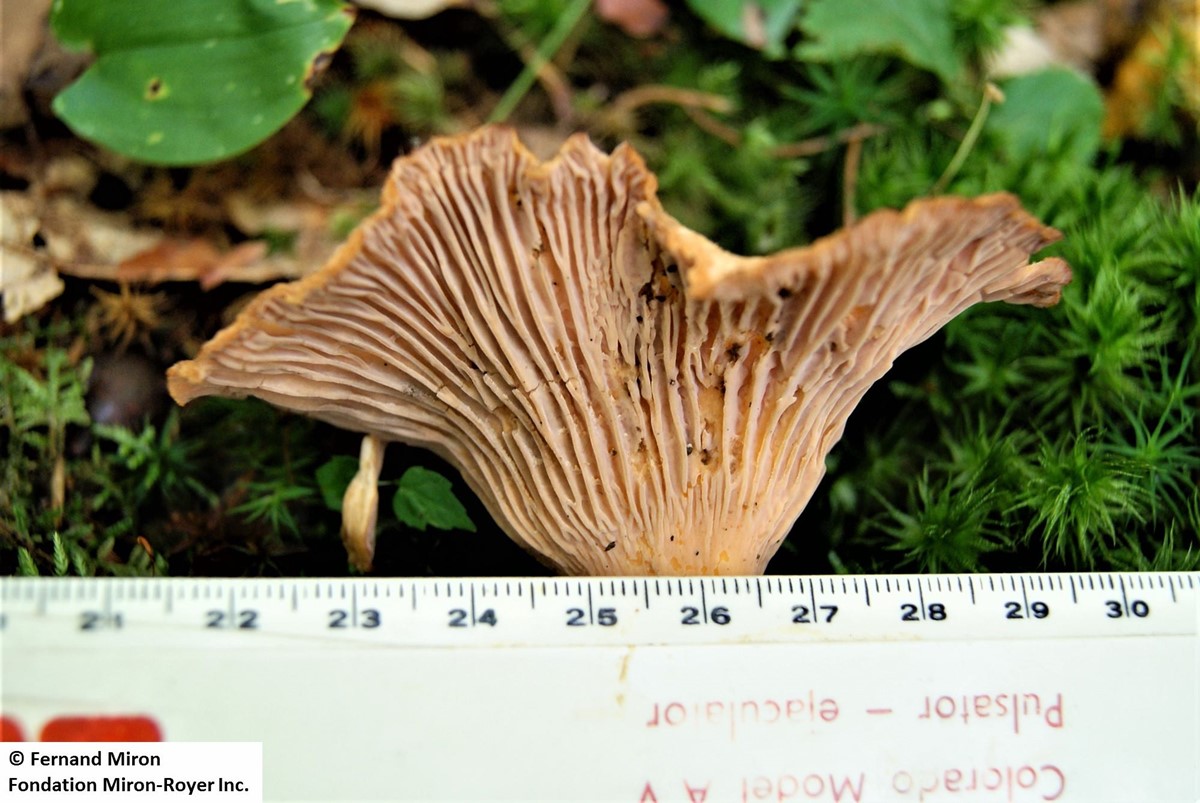
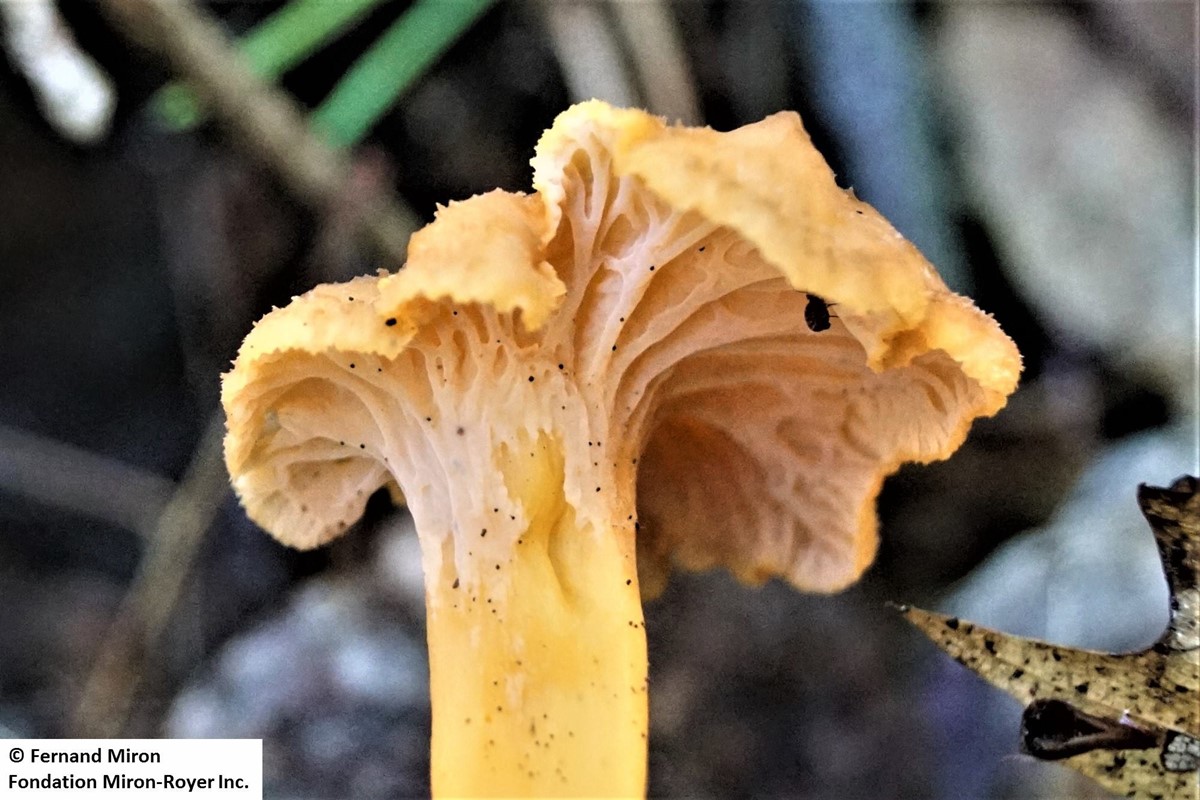
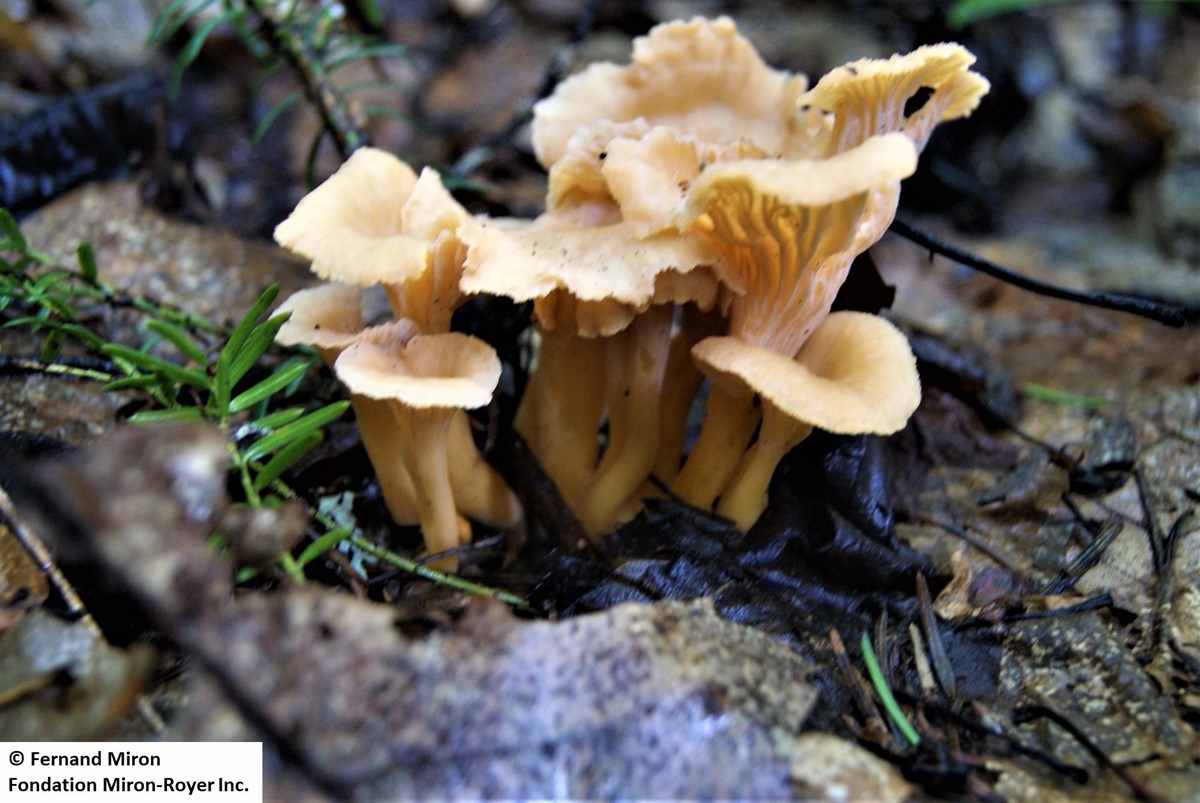
Hymenium surface
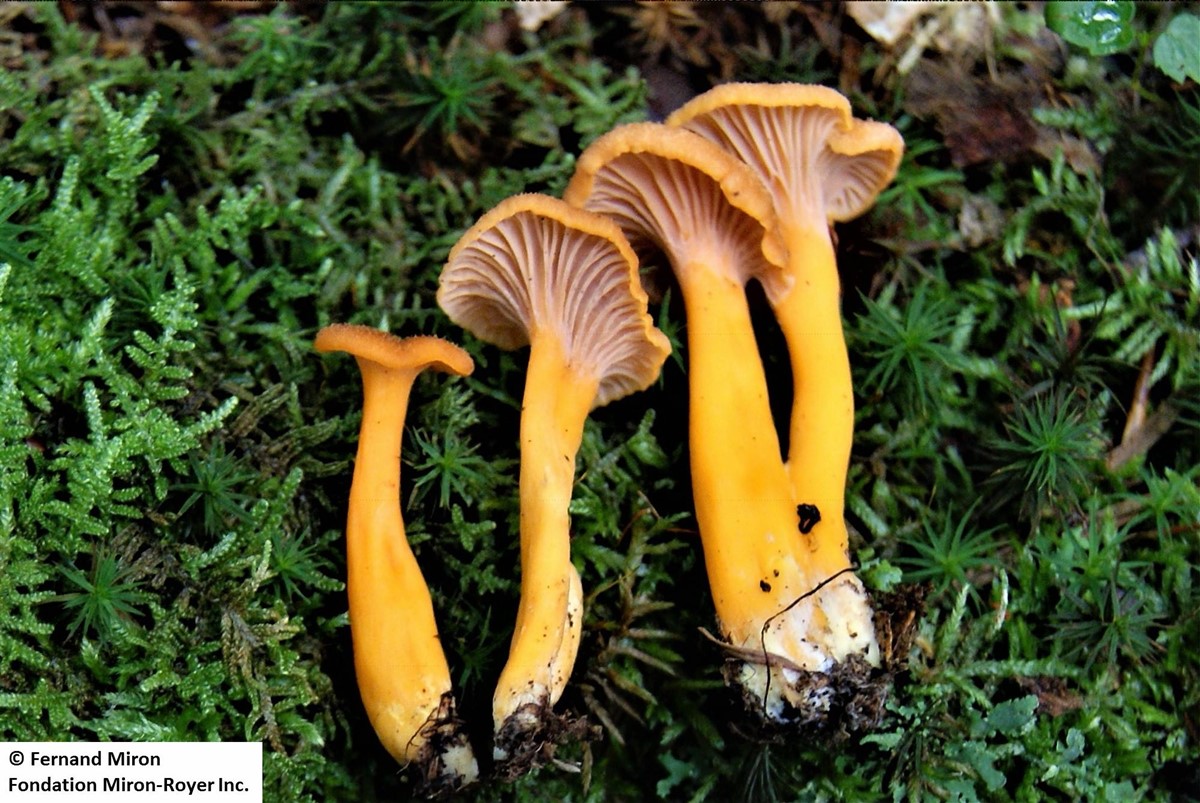
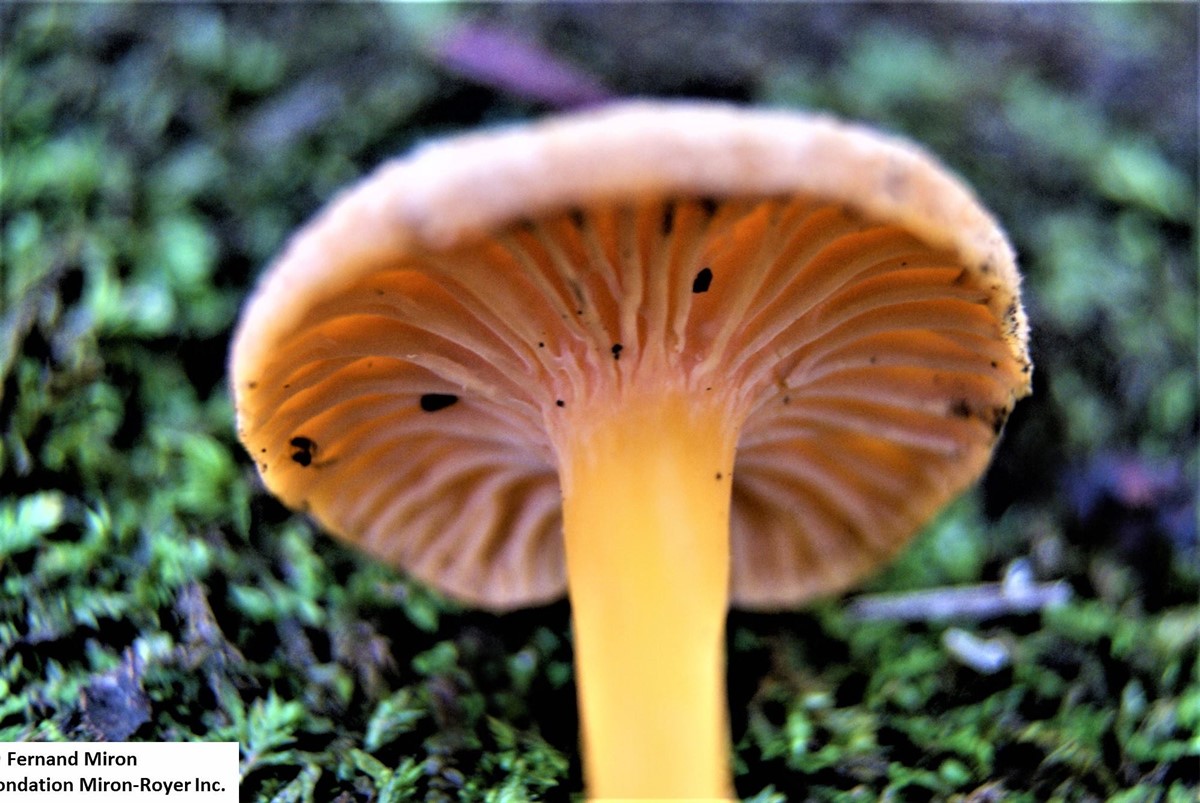
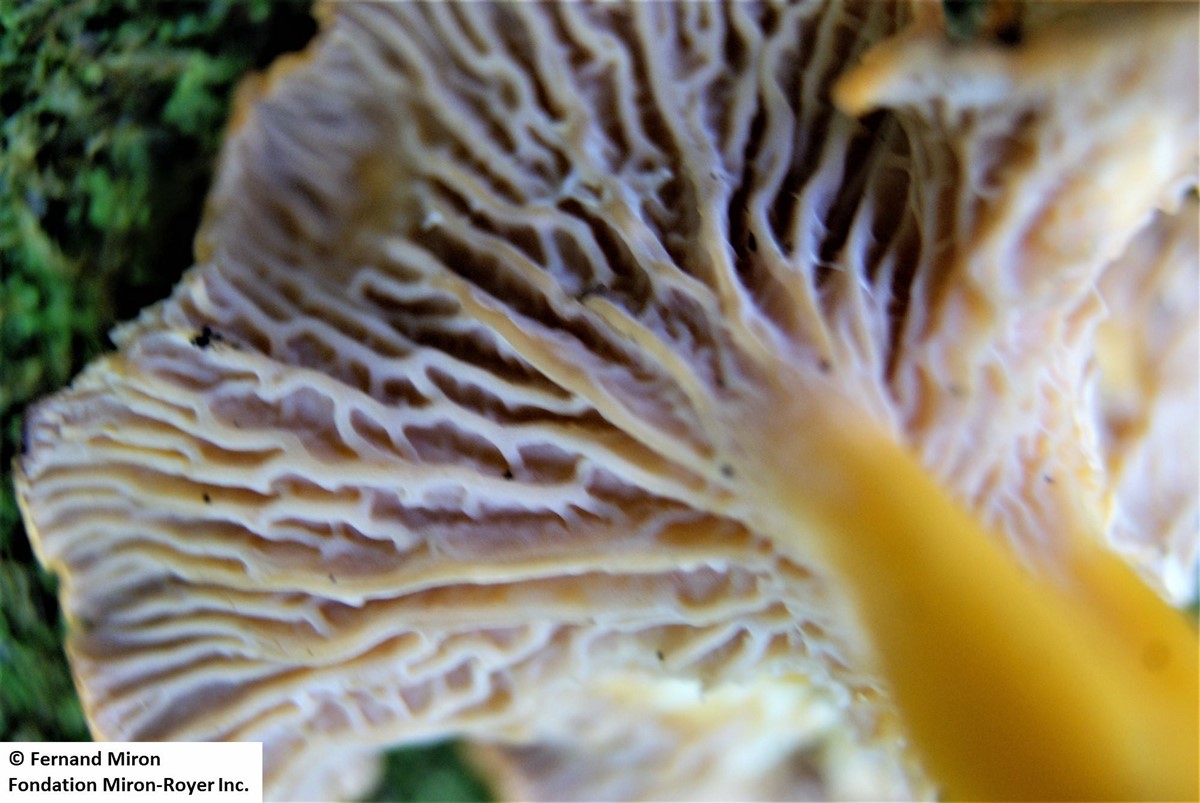
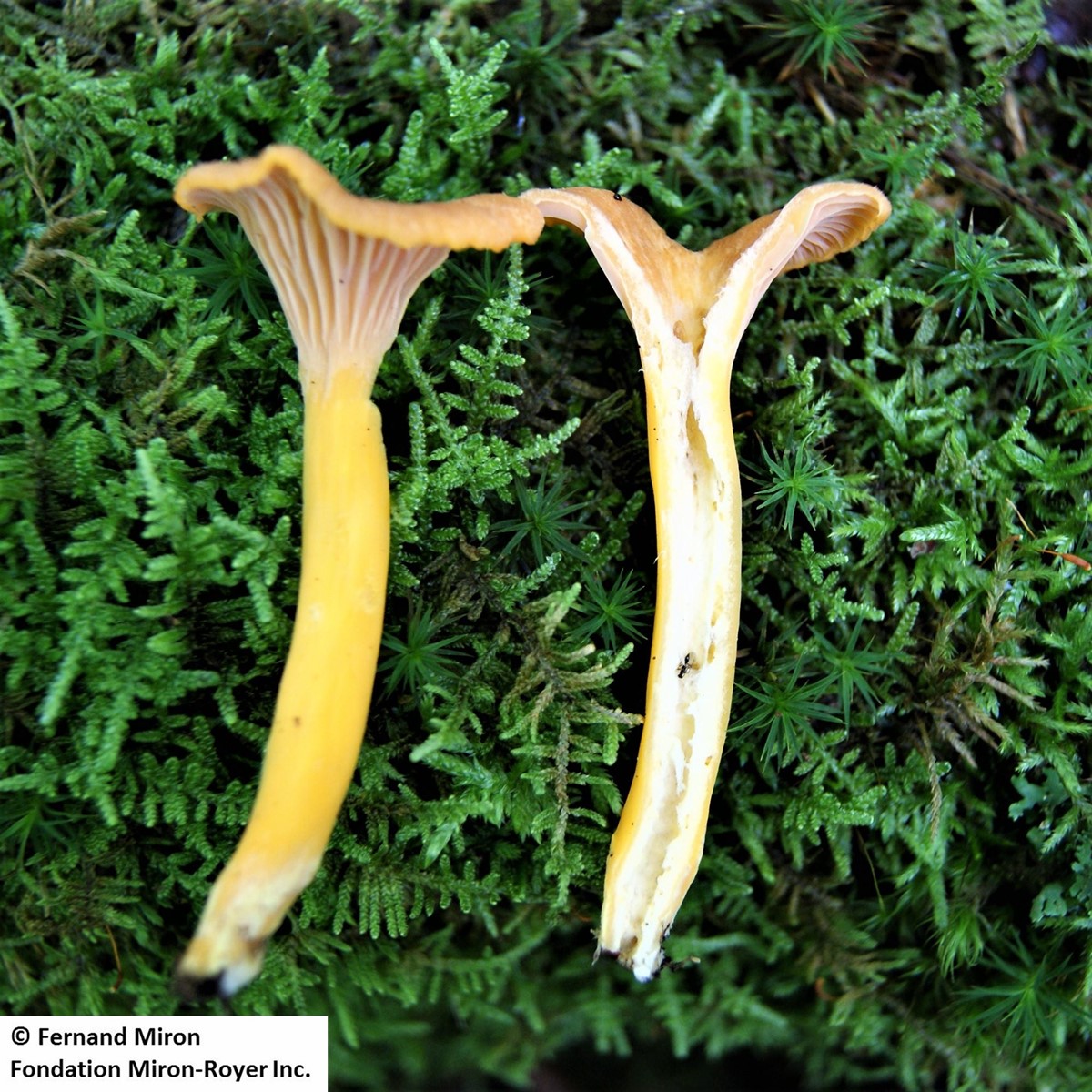
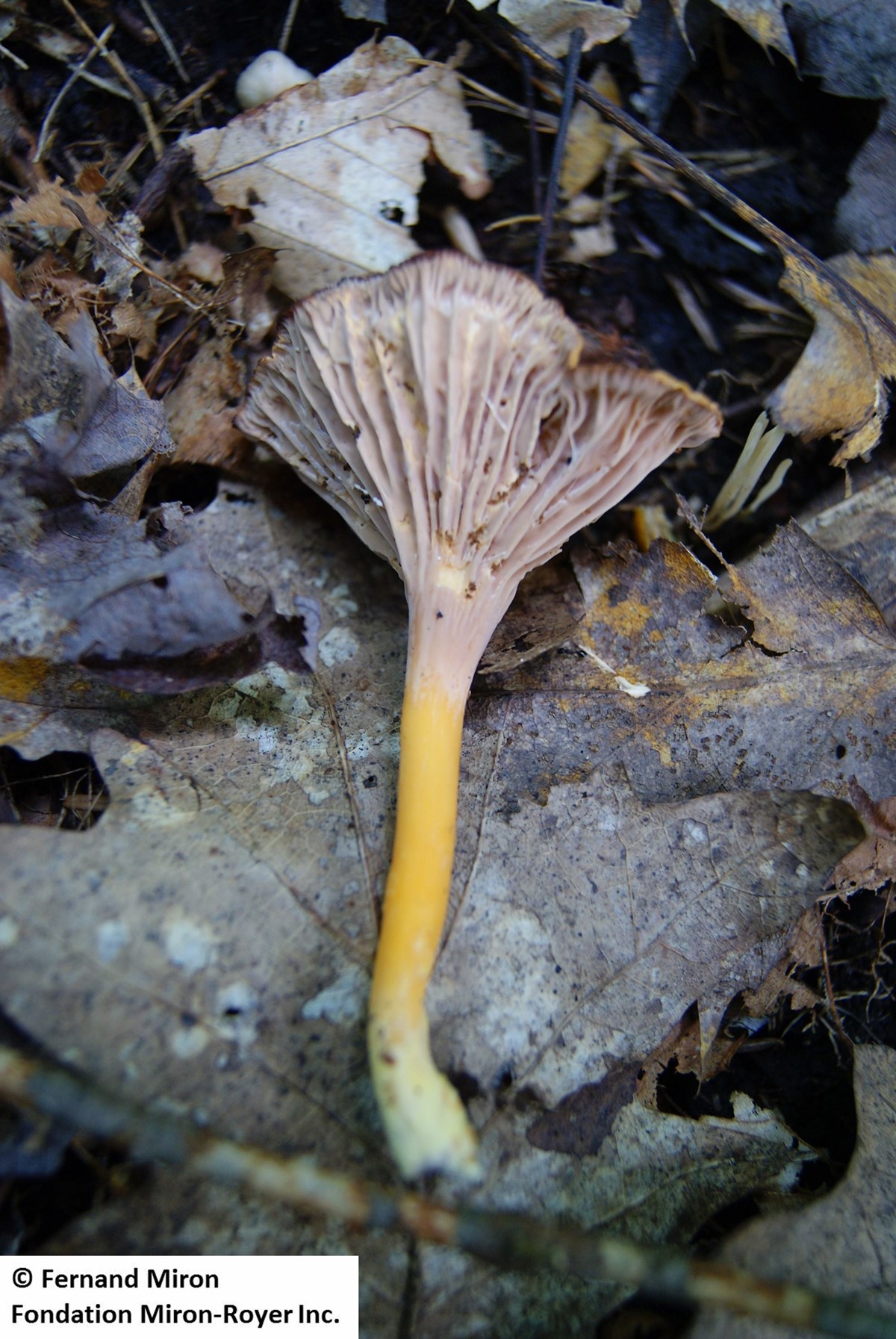
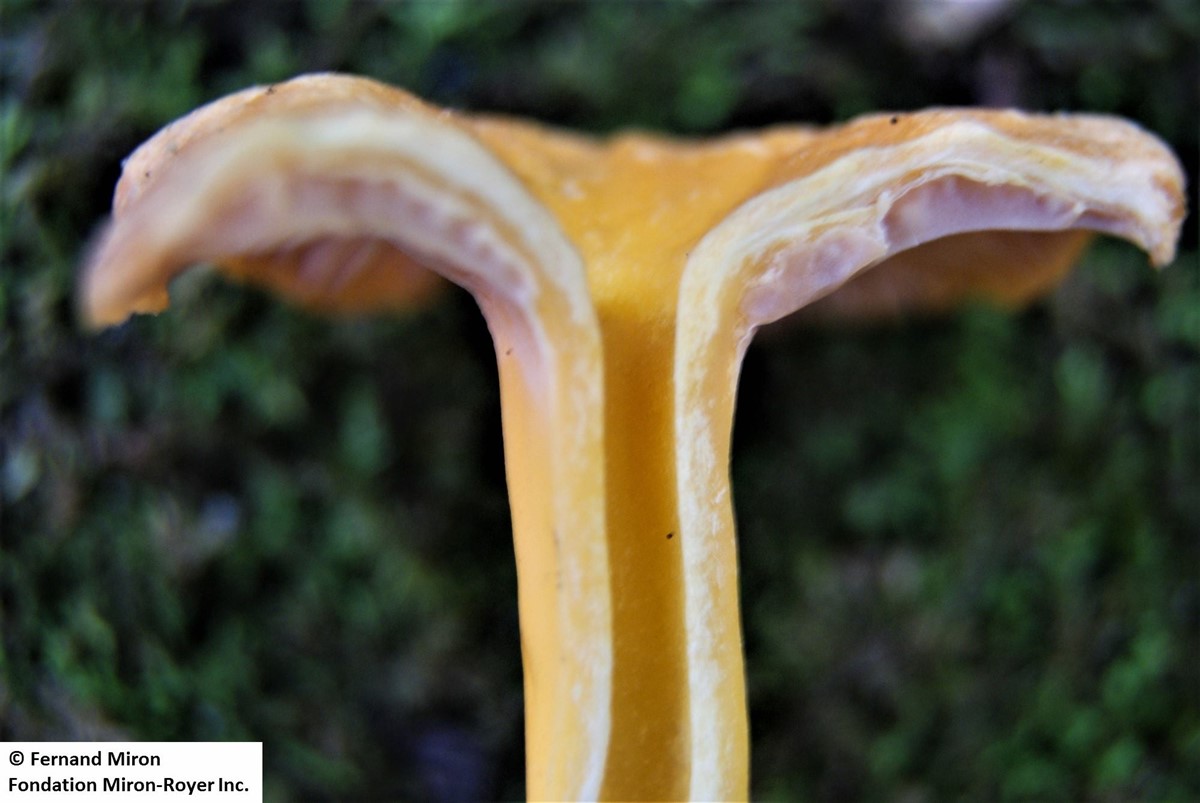
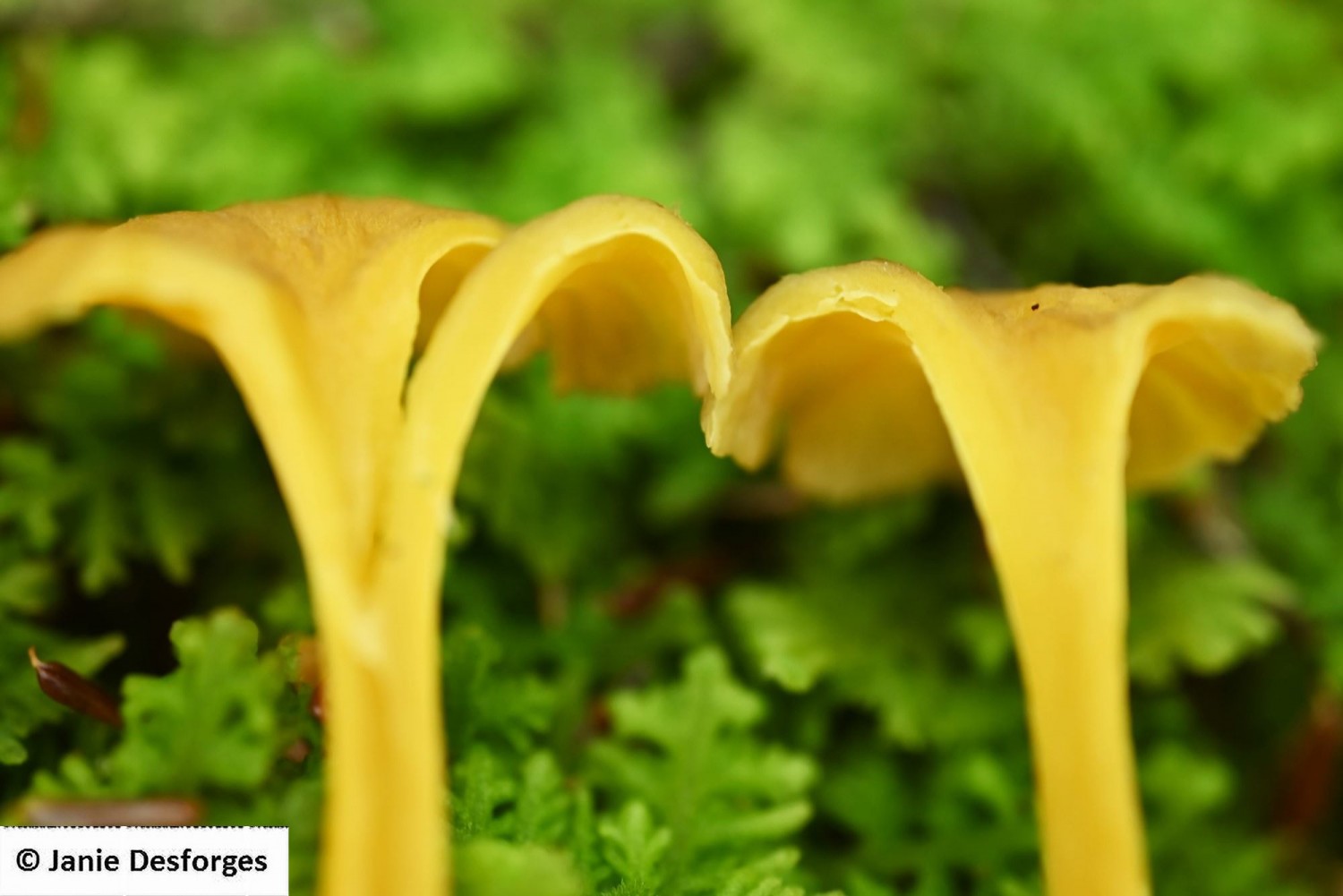
Undersurface with thick, blunt false gills that run down the stem, becoming cross-veined ; pale yellowto grayish at first, developing pinkish to faintly purplish hues at maturityand, eventually, becoming pale tan.


Stalk
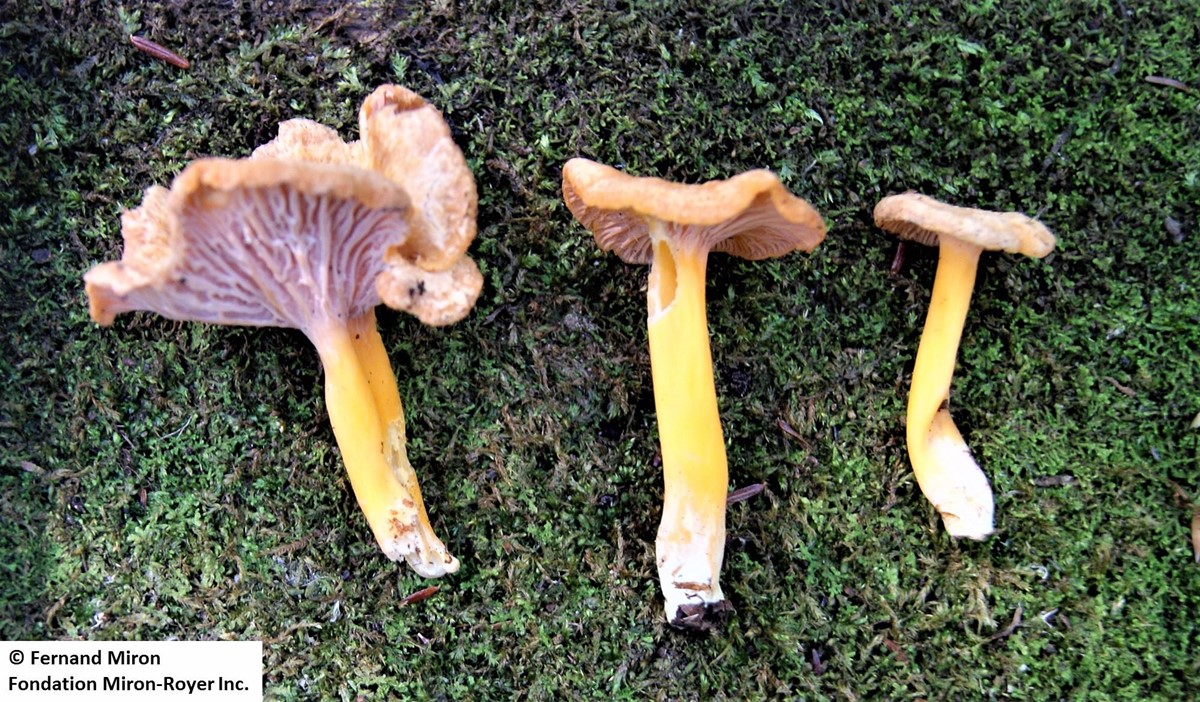
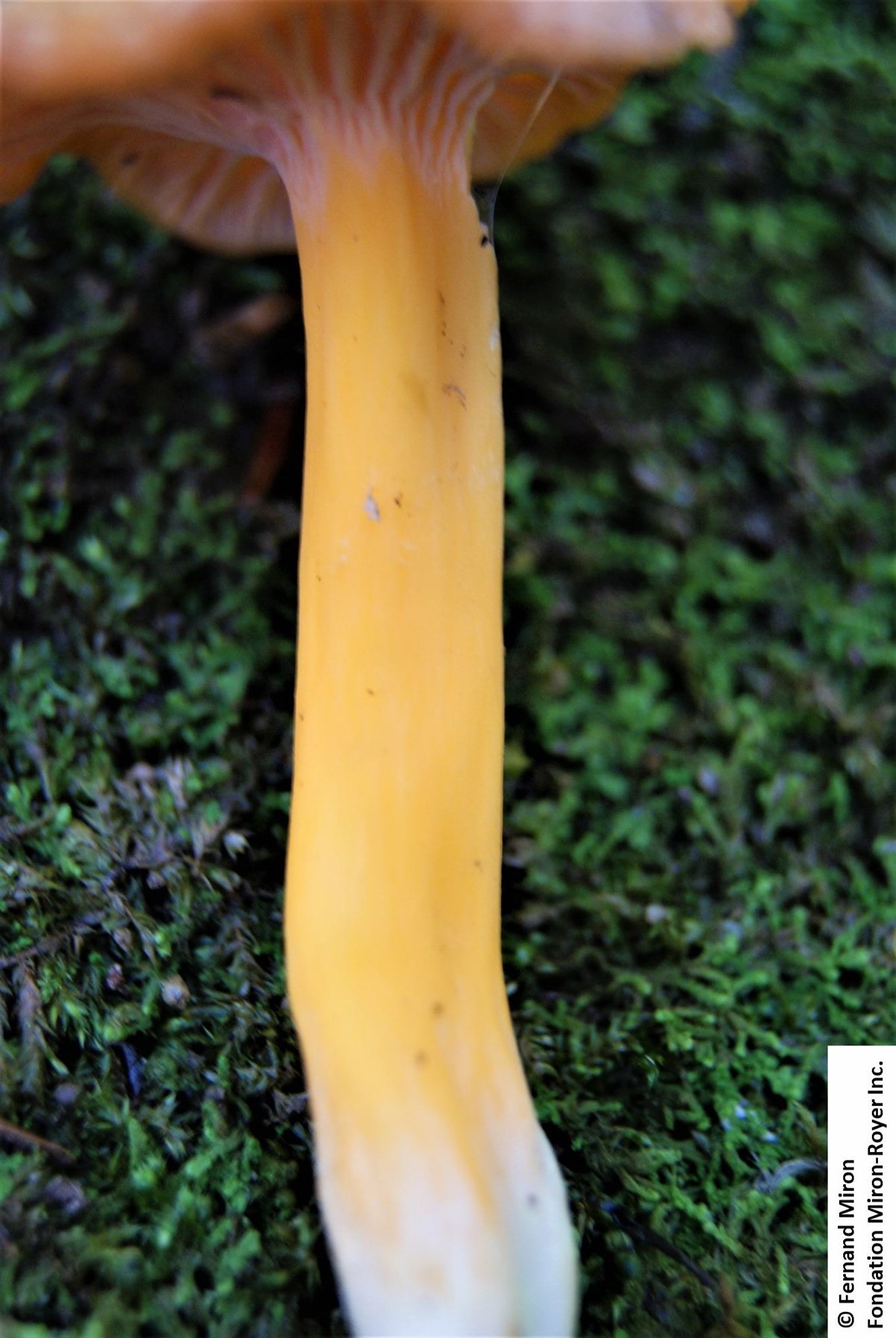
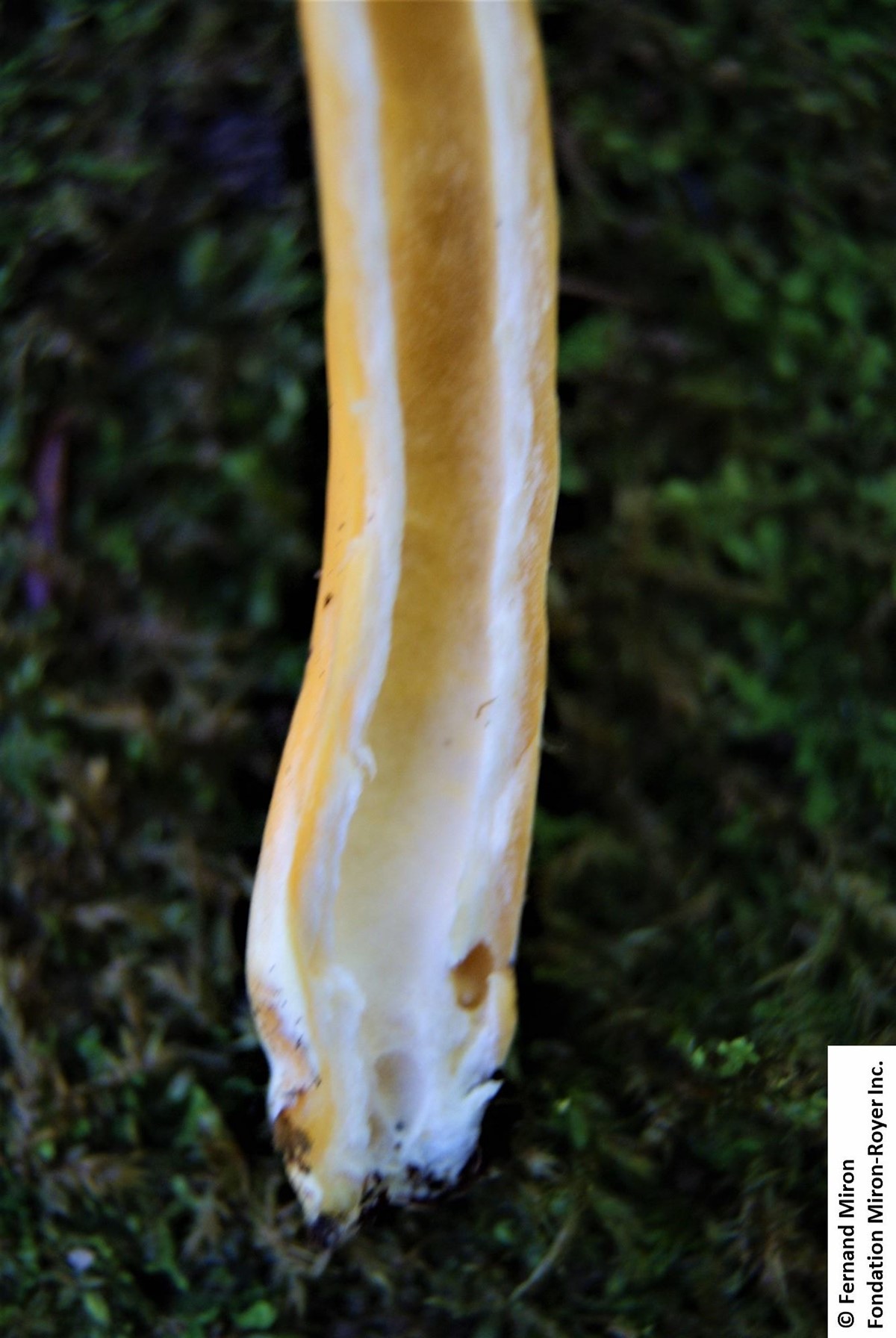
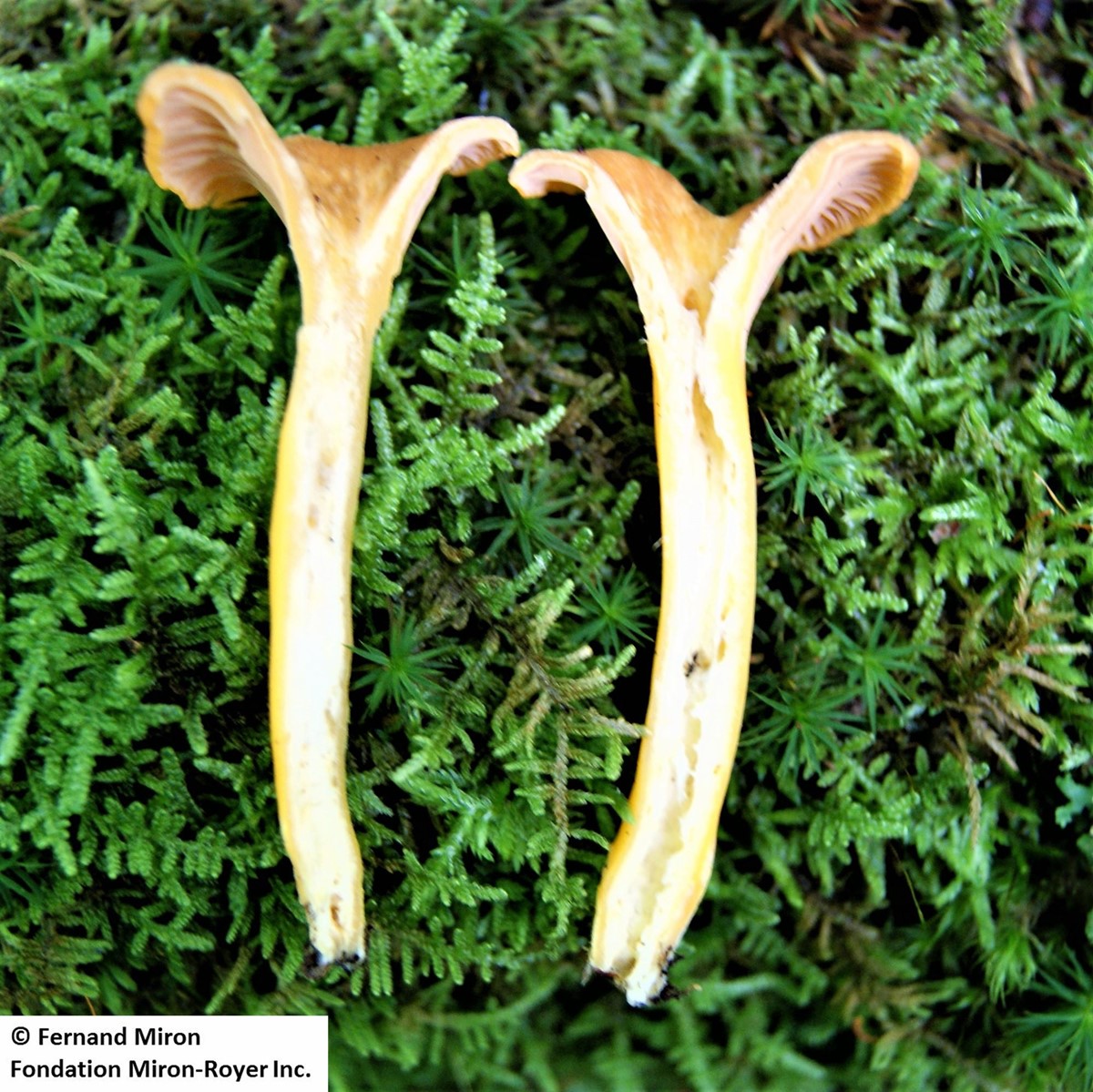
2-6 (10) cm long, 3-10 mm thick, becoming hollow, bald; brigt orange-yellow to orange.
Flesh
The color of its flesh ranges from white to pale yellow, to orange.

Basal Mycelium
Basal mycelium bright yellow.
Comments
Send a comment
A form without yellow pigments is sometimes found growing mixed with normal fruitbodies.
More photos


For more informations